
From Execution to Strategy: How Women Break the “Trusted Doer” Trap

Viktoriya Tsytsak
Senior Director
Kehinde Ndede
Principal Technical Business Analyst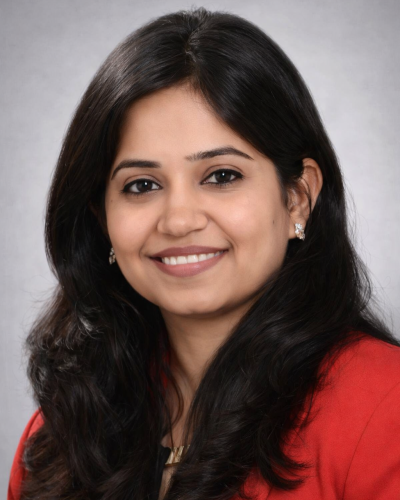
Swati Sharma
VP/Business Information Security Officer
Burçak Akbıyık
Head of Global P&T PMOReviews
Breaking the Trusted Doer Trap: How Women in Tech Can Transform into Strategic Leaders
Welcome to our in-depth exploration of a perplexing paradox that many high-performing women in tech face: the challenge of transitioning from being seen as trusted doers to strategic leaders. This topic is more than just a professional quandary; it resonates deeply with our collective experiences in the tech industry. In this article, we will unpack the nuances of this issue, drawing insights from a recent panel discussion featuring esteemed industry leaders.
Understanding the Trusted Doer Trap
As women in technology, we have often prided ourselves on our ability to deliver under pressure and solve problems effectively. However, this reliability can inadvertently become a ceiling that limits our potential for strategic leadership. Many individuals experience the frustrating reality where exceptional work leads to more work, rather than recognition as decision-makers. In our discussion, we sought to dismantle this trusted doer trap and explore effective strategies for fostering a shift in perception within leadership circles.
Panelists' Perspectives
- Bucak Akvik: With over 15 years of experience in global IT management, Bucak emphasizes the importance of visibility and strategic thinking in leadership roles.
- Kehinde Ndedi: A principal technical business analyst, Kehinde shared her journey of transitioning from dependable executor to a strategic leader by focusing on organizational goals.
- Victoria Zitzak: A senior director at Interiors, Victoria’s experience in building practices from the ground up highlights the need for shaping perspectives rather than focusing solely on execution.
- Swati: A VP at S&P Global, Swati's insights included how a deeper understanding of strategic priorities can guide career growth beyond just completing tasks.
The Friction Between Execution and Strategy
The panelists shared their personal experiences of feeling the friction between their roles as executors and their aspirations for leadership. Here are some key takeaways:
- Kehinde: Recognized that being reliable and operationally dependable did not equate to being seen as a leader. She made a conscious effort to shift focus from tasks to organizational outcomes.
- Victoria: Identified that exceptional execution alone does not guarantee strategic influence. Her journey involved realizing the necessity of establishing a unique perspective within her practice.
- Swati: Shared a candid experience with an employee who excelled in execution but struggled with decision-making and strategic thinking, highlighting the need for broadening skill sets for advancement.
Building Strategic Thinking Skills
Strategic thinking is essential for moving from execution to leadership. Here are some actionable strategies discussed by the panel:
- Ask Strategic Questions: Begin posing questions that align with organizational goals and long-term implications during meetings.
- Participate in Broader Discussions: Engage in meetings that address larger organizational objectives to gain insights into strategic visions.
- Networking: Connect with mentors and leaders to understand what skills and qualities are valued in strategic roles.
- Prioritize and Delegate: Learn to prioritize effectively and delegate tasks, acknowledging that executing every task personally can hinder your growth.
Women in Leadership: The Power of Authenticity
One of the consistent themes during the discussion was the importance of authenticity in leadership roles. The panelists emphasized:
- Communication: Women often excel at building relationships, making it essential to articulate accomplishments and the impact of their work clearly.
- Mentorship: Supporting others within the organization by sharing knowledge can reinforce one's position as a leader.
- Community Focus: Engaging in community-oriented initiatives can elevate personal motivation and present a holistic leadership persona.
Final Thoughts: Actionable Steps for Change
The transition from being a trusted doer to a strategic leader is not about working harder but working differently. Here’s how to start:
- Commit to Continuous Learning: Invest time in personal and professional development.
- Shift Mindsets: Move the conversation from task completion to strategic impact.
- Embrace Ambiguity: Cultivate the ability to handle uncertainty and complexity in decision-making.
By leveraging the insights from our panelists
Video Transcription
Perfect. Great. Then it's time to kick off, actually. That's great. Thank you so much for everyone being here today. Welcome, everyone.Well, today, we are gonna discuss a paradox that defines our carriers for so many high performing women in tech and also a topic which is personally close to my heart as well. We pride ourselves being on the a go to person that delivers under pressure, fixes all the problems, and keeps the engine running on day to day basis. So we are trusted doers. But there is a hidden cost to it. Sometimes being the best executor in the room becomes a ceiling that limits our potential as strategic leaders. If you ever felt that your reward for doing great work is more work rather than the seat at the decision table, you are in the right place.
Today, we are going to dismantle the trusted door trap, and we are not here to talk about how to work harder because we all know that. Right? We are here to talk about how to shift our lenses through which how the leadership sees us. And moving from delivery to moving from delivery of what, shaping the why and how in our industry. By saying that, before starting our panel session with the our discussion, I would love to start with who is on the stage today. My name is Bucak Akvik. I have more than fifteen years of experience in global IT management and leading program managers across the Europe. And I have here invaluable speakers with me sharing the stage today. I will kindly ask them to introduce themselves. Kehinde, can we start with you?
Hello, everyone, and it's lovely to be here today. I'm Kehinde Ndedi. I'm a principal technical business analyst, and I've spent over a decade working across digital data and transformation in the public sector. So as you rightly said, Burkha, I've built my career being hugely dependable, delivering under pressure, and getting things done. So I'm looking forward to sharing reflection from that journey and also hearing insights from the my fellow panelists.
Thank you so much, Kehinde. Victoria, can we hear from you? Thank you, Birchak. Dear colleagues, nice to meet you online, offline. It's pleasure to be here. Thank you for inviting. My name is Victoria Zitzak. I'm senior director at Interiors. That's, IT services company operating, around the globe. Historically, I am from Big four Consultancy, x PWC, where I advise clients on strategies, operating models, governance, risks, mitigation, for more than ten years. And the recent almost a decade, I'm in IT services, helping clients with hands on, projects, building practices, in IT services so that we, implement all business and IT challenges from theory, from vision to practical solutions at work and that shape our businesses today. Pleasure to be here. Looking forward for our discussions.
Thank you so much, Victoria. Last but not least, Swati, please could you please introduce yourself?
Thank you so much. Currently, I'm working with S and P Global, taking care of one of the, function as VP business information security officer for that particular, line of function. I have also worked, with some of the large tech companies like Amazon, worked in customer facing roles, with AWS. And prior to that, I have done, like, different type of work starting from consulting, managing the profit and loss accounts, and different internal and external facing roles. I have been doing cybersecurity for, like, entire career, almost, like, sixteen years, and I still enjoy that. In part time, I work as, like, coach and trainer for cybersecurity topics.
Perfect. Thank you so much, Swati. I see that our participants are actually using chat very actively. I want to remind that if you have any questions during the panel session, please write on chat. At the end, we will make sure that there is a specific time for q and a part as well, and then we can go through the questions. Or at that moment, you can also feel free to answer more questions, actually. So our speakers are here to enjoy your input as well. So that's that's super nice. Okay. So after the introductions, let's go into a little bit the topic. Right? We often talk that high performance is a primary key for advancement in our careers, yet many of us find that behavior of execution and firefighting aren't the same ones required to step into the strategic roles.
So if you think about your own experience, looking back your own journeys, when did you first feel the friction between a truster a trusted executor and a strategic leader where you want to become? What was not working for you as as an executor in your own career? Kahindel, would you like to start with your own experiences?
Of course. So for me, the shift came as I stepped into over a decade's year's experience in business analysis. So I was a trusted doer. As you mentioned, I was dependable. I delivered under pressure, and I was great at solving problems. And whilst this helped me to progress, I was seen as someone who was reliable at executing. I realized that delivery alone wasn't enough, especially when I wanted to step into leadership. So I was heavily relied on operationally, so I I was missing the that strategic visibility. I think it required something different and that it it wasn't something that I I was exposed to at the time.
I soon started to realize that there was a friction between that of a strong executor, so that didn't translate into being visible and strategic leadership skills that is known for in in leadership cycles. So there was a turning point. I started to be more intentional about how I showed up and how I positioned my work. So I started to focus on communicating outcomes, and I connected my deliverables to more wider organizational goals and strategy. So that's when the real shift came for me where I realized that I had been I had enough of of of delivering. I had enough of doing the work. I wanted to be more vocal and seen as the leader and managing those deliverables in on more in more senior spaces. So, yeah, that that's in a in a nutshell for me.
Thank you so much, Kehinde. And, Victoria, how was it for you? So when you look at your own career, where do you see the friction, and what was the moment that you were like, okay. I need to change something now.
Thank you for that question, and thank you that we started from this question. I think the friction started when I understood that leadership is less about having the answers and more about shaping the perspective. Early in my career, at the beginning of my career, I believe that exceptional execution would naturally lead me to strategic influence, but that's not. In reality, these are related but different capabilities. And my personal example is that I was three year in audit. That's quite hard work when you do one, two, three week project, travel, another project, travel, while doing the next project you are documented previous one. It was full trusted door cycle. And, my intention was to move to consulting in PwC, and I did so.
It took me one year before I raised the idea, negotiated, proved that I can do consulting projects. So I was doing consulting while, technically, I was an assurance team member. But in the consulting circle started be the same. And I realized that it will not even to become a manager, definitely, to be a manager, you need to pass several grades before that, that, I have receiving high execution marks, like, saying great. You are high performer, but nothing happens. And, frankly speaking, while I was sitting with my colleague, with my colleague peer in PwC, we were getting what we can do, how we can do. Because, frankly speaking, usually, guys were the leaders and women's in the team were executors.
And the idea was, okay, if you do not have the one of the practices in the network here in Kyiv, it was Kyiv office in Ukraine. Let us start this practice here from scratch, engage partners from other office, talk about potential at our market because it was central Eastern European partnership from Prague, from Czech Republic to Kazakhstan and Almaty. And, basically, I start crafting new consulting practice for Ukraine, which was already existent in Kazakhstan, in Poland. Literally, writing website text by myself, analyzing what other countries speech, talking to managing partner, let us do so. Let us grab for some connects from networks, and it was changed. So, basically, execution, yes. Great. You are you are doing exceed expectation, but only when you have some fresh perspective or free niche, if I may say so, you can do something and, try to do step by step career progression.
And, literally, this case, not only this, but, set of environment context, performance of the project, initial two leads in that in that consulting practice, bring me to become a manager. It took time. It it wasn't in a month or two. I think almost a year before all my experience was doing, but this fresh perspective, new strategic opportunity for the office, helped me to step in from doer's job to leader job, first leader, promotion at that time.
Thank you so much, Victoria. And, Swati, over to you, actually. So based on your own experience, how did you describe this? Like, I'm right now, it's really in a executor mode, but this doesn't really help me. So what was what was the breaking point for you?
In fact, I would love to share something on the other side of the story. So I I managed team in my past role, and I had one employee. She was, like, amazing in her work. Like, you give her work and work will be done. Like, that kind of, like, good in execution. And after some time, she started the discussion on, like, what is the next level? What is the, like, career growth for her? And my first reaction was, like, okay. She is good in doing things, but will she be able to handle things when it comes to taking big decisions, taking these strategic items where she has to not just decide how something will be done, what need to be done is something also that she has to decide. Sometime the problem statement itself may not be, like, very defined, and you have to identify, like, what is the problem, and then you decide what is the solution and how part comes later. I think it takes some time to go there. I mean, definitely, we have to be good in executing and that builds trust.
But there are certain other elements which are required to be on a next level, which is, like, identifying complex problems and then deciding what can be the potential solution. And then the very important factor is, like, you may be very sound in technical skills. You may be very good in the work or domain that, like, we are doing. But I think, ultimately, how we can get those things done with the help of the stakeholders, the environment that we are living with, I think those are other skills with, generally, we miss when we think about the next level. And the scope of the role, scope of the team organization, also those factors plays, like, important role when we think about doers versus the strategic thinker roles. So I think those triggers are sometime very natural. We we think think like, okay. We are doing everything good, the promotion will happen naturally. Answer is no.
You may be good for the current thing, but the next level thing may require something else.
Thank you so much, Suwati, for tapping into that points as well. And my next question is kind of related with the actually. So, Kehinde, I would like to ask you an a question. Well, most of the time, we are thinking that it's well, doing the great work will speak itself. Right? But but this is not working in the real life. And as as a leader for you, what is the strategic thinking on day to day basis? What what does it mean for us? And based on our experience, actually, what did you start doing differently to be more strategic?
Thanks. I think Victoria and Swati touched on it on it quite a bit in terms of it doesn't necessarily show up in titles. It's more in the behaviors that are demonstrated on a day to day basis. So looking at the bigger picture, what is the strategic question that we're trying to answer? So it's shifting from focusing on what I'm delivering in terms of tasks and the activities to why does this matter. And it's looking at the bigger problem. Who is it impacting, and what value is it creating in terms of the solution? So for me, it's about it's moving away from activity updates, for example, the business analyst requirements, all the rest of it. It's more about how you frame the deliverables. So mainly, how is the ANC outcomes how how how is it affecting the organization? What outcomes are we getting? What are the trade offs? What are the risks?
What's the risk appetite? What frameworks do we have to mitigate those? And, also, in what ways are we providing recommendations to senior leads in terms of options appraisal and moving that forward? So balancing those up. So for me, it's it's more about contributing a perspective and connecting the dots. So looking at, like I said, the broader organizational goals and how are we how am I, as a leader, working towards connecting those? So my connecting the strategy and my deliverables together and seeing the bigger picture. So what I've learned on my journey is about elevating the conversation from deliverables, doing, doing, doing, and actively affecting the conversations about strategy and the influence that I'm having on my team to deliver those objectives that we need to meet those organizational goals is more I well, my experience today.
So strategic thinking is about connecting my work to the organization's strategy.
Perfect. Thank you so much for your explanation. I was I also look at the chat as well. There is also comments relating with, like, everyone was surprised about those kind of changes, and they were not ready. So because no one told us about about this. And, Victoria, in when you were explaining about what does it mean for you, you also said that all the men's are leaders, managers, but women are doing are the ones who is doing the work. So why do you think like this? I mean, why do you think this is the situation? So it's not the I mean so what they behave what is the difference in their behavior, or what are the acts that they they are doing differently than us?
That's a challenging question. I think trend is changing now. It's already changing for a set of years depending, for the community maturity, country maturity, organization maturity. That's a complex ecosystem. And, I think that Cochin said great thing about strategic thinking, and let me build the bridge, with this strategic thinking and the situation for men and women. So for me, strategic thinking is just not day to day that having a big visionary moments that you have a moment and you do something. It's more about constantly connecting the dots between execution because I believe strong leader is the one who understand execution. If not doing execution, understand it well how fields work. In services business, in product business, in manufacturing business, the same. And inward and outward looking. Mhmm.
Think that's a hypothesis you can criticize me that for businesses, even for NGOs, for organizational type of perspective, we need to look outward. So what's mark how market are changing, how patterns are emerging, how it will look like, for the market, for business or NGO, public institution in two, three, five years from now? What capabilities we are building today, we need to build for their future. And for women, it's all always important to do the current job, and, sometimes no time to thinking about future trends, patterns, and expectations. I think if we as a executors, leaders, middle, top management can shift the thinking from inward looking, how current team works, how current management team performs, what we are doing internally, and how we connect dot internally to more outward looking for the market, either in business or public sector, it shapes what we do internally.
And, for me, personally, that's a recipe when I start to stop myself even when drinking coffee or tea because each day business life, it's active active days and weeks. And to reflect how my actions, my organization status Take to account what external external patterns and how we address them. And when you shape this mind about constantly connecting these dots day by day, you can shape the future vision and share connect the people in inside the organization to build something or to compete or to build a better service for client or better product for clients in b to b, in b to b to c, in government to citizens.
And in such type of thinking, you can evolve, and you can act strategically and compete the labor market in that. That would be my answer to that complex gender question
to ask. Thank you so much. Thank you. That is very insightful. So when we go back to for the promotion, what does it mean for us? So what do you give an example about your experience from a team member about how to change and what are the next steps that she needs to to think? Can you give us a little bit more details about, like, what are the things that is important for you as a manager or a leader? What does it mean when a person is ready as a strategic step in their career? And, actually, we are asking as this, like, an as a promotion as the next step in their carrier.
I think there are different meaningful promotion for different people. Sometime they want to move to IC, like individual contributor to people manager. For them, it's a big deal. It's a promotion for them. They want to lead team. For few people, they want to, like, be in technical role, but they want to move to next grade, next level. They see that as a promotion. I mean, the definition of promotion I mean, generally, when we go in conversation with team members on the promotion thing, I ask I I try to gauge, like, what does it mean for them when they talk about promotion? Is it, like, money? Is it, like, more work? Is it larger scope? Larger like, sometimes the title can mean a lot for some of the team members. So I think it change it changes from, like, one person to another person.
One thing which is, like, common when I, like, gauge or, like, I evaluate someone for, like, existing level to next level, can they deal with ambiguity? Because the moment you go, like, higher on your ladder, you see that sometimes the problem statement is, like, not very clear. People will come with, like, 10 things as a complaint, and then you have to identify what is the exact problem that you want to solve. Sometime, everything may look like very nice, happy, and you have to think about breaking the status quo and think about disrupting so that you can be ready for the future. As Victoria was saying, that status quo may not give you the next level thing. So whenever it comes to promotion, I, like, gauge those things that will this person be able to deal with ambiguity?
Will this person be able to think about breaking the, like, the status quo, go for the disruptive decision, and take the large decision. Another thing is, like, sometimes people are stick with the task the task that they are doing, and it may be very repetitive thing. And if you ask them, okay, what you have done or, like, how it's going, they'll say, I have done these, this, this, this 10 thing. But they will not think about so what? Like, what is the impact of what you are doing? Is it related with the business? They can be 100 and thousands of problem in the organization. But if solving those problem will take the organization to next level is something that we have to think, and we have to choose off of that.
Like, what problem we want to fix, which will help organization and you.
Thank you so much, Swati. Yes. This ambiguity is one of the things that is, like, in the work life that is for certain, it's there. So in the most of the time. And strategy, actually, is one of the things that is, like, how you embrace the ambiguity, uncertainty, and what are your next steps regarding to this. So, Kehinde, may I ask you about, like, your experience about, like, what do you think that is what are the skills as as a woman that we need to embrace ourselves relating with coping with ambiguity and going on to more strategic level?
For me, it's more about the clear signal was about when somebody thinks outside of just the deliverables. So showing an awareness of the wider goals that the business or organization is trying to achieve, like you said, connecting those dots, first and foremost. And it's not just about execution. It's not just about, okay, deliver. Like you said, delivering key tasks. It's also about anticipating some challenges that might come. What are the risks? What are issues? And also where there are issues, are we are they trying to fix it or solve them? So improving outcomes in terms of longer terms is what I would what I would say. The other thing is how they communicate. So I I see leaders stepping up. It's about communicating effectively. So articulating impact and simple simplifying complexity. So what like we were saying, what is the challenge? How are we gonna get there?
And articulate it in that in a way that's clear for everybody to to hear and to see. Another strong the the other strong signal I I would say is about improving systems and enabling others as well. So it's about mentoring and supporting others along the journey, sharing knowledge, and giving back. Ultimately, it's not just about themselves. It's about them seeing themselves as part of a team delivering to the business's goals and purp and purpose. So strategic lead leadership is about perspective and influence ultimately. So it's not just about capability. It's not just about doing. It's also about sharing experiences, adding value, and driving business impact.
Thank you so much. Victoria, my next question will be for you. And so what I would like to ask you about, like as we discussed about, like, differences between women and men, how they act and how they behave. But, also, as a woman, we are more caring, but, also, we are, like we are really doers. So and for us, it's, high performing is normal. And we don't necessarily go out and say that, oh, I finished this thing or I did this and etcetera. So how do you think that the woman, especially, when they are not comfortable to showing all their value to the world, how they can bring authentic themselves to present their value to the, to the rest of the organization?
Let me start maybe from example, and then I reflect what I learned from this past because it was four, five years journey for me in this particular example I will be providing. At my employer, I was leader of one of the technology practices. And I received the practice when it was loss making, no traction for clients, leads, team, a bit demotivated because no business, no work for them. And in the same times, the other more high performing technology practices were led by men, four of them. I was the fifth. And in time in perspective, I managed to build high growth, high profitable, higher than peers, practice in business with, perspective for even bigger pipeline and for big strategic piece of work. And in addition to that, it was more about SaaS implementation, while the business where I worked was about custom software development.
So by substance, this SaaS practice, that was Salesforce, which we were implementing for clients, cannibalize custom development works of my colleagues. So you understand it was not easy internally to build up and elevate. However, what is interesting, all practice leaders, my peers, were technology deep to technologies. They love and like technology. I was the only one who was not so deep to technology. Yes. With all understanding how IT strategy look like, how implementation, I was BA for one big project. So hands on, but not deep to technology. I was implement I was selling, promoting, and implementing. And it literally helped me to think through business lens, not through technology lens, and win the competition, not win. We are partners because we have cross sell between the units, which I was implementing some SaaS solutions, my peer colleague doing integration platform, supply integration, etcetera, etcetera.
And what how it showed me based on this experience? Because it it was a journey. At the beginning, colleagues asked me why you took the practice. It's worth making. Why why you care? I see the opportunity, and I see how to connect business puzzle together to make it work and to make it scale. Plus, I have inner motivation because for that business, I need to train and retrain juniors so I can provide working places to junior colleagues and to and build for them training programs from scratch. My architects build this program from scratch. So I had a business motivation, and I had community motivations that I can create workplaces. And in a nutshell, when I left the the company, half of the practice were from juniors and the trainees from other other industries. That drive me and motivate me. What this example shows for me that, yes, we care. Yes. We need to be authentic.
But in the same time, we should force tune our thinking logic, our decision making process, how I can do more, how I can connect some puzzles that are disconnected, which is natural for us as a woman to do so, And not to compete or not to, like, show how my unit is better, but to achieve results because I'm result oriented person.
For me, process is a tool. Result matter that can change something not in the business, but in the entire community. That drives me literally. If I can craft work in places, it drive me personally, in addition to great p and l, etcetera, etcetera. So that would be my answer through the example. Sync, it's also it's it's basically about syncing logic and how you combine or combine all these moving parts together. If you want to do so, you can through the journey, through the props. Not all props will be great. I had many, like, challenging props where success was not so obvious. It was absent. But trying and doing and thinking and go through the journey while building the team and community around you. I would not do something by myself.
What we did for that practice was a teamwork and team sport. But to do so, I need to understand all core team member, what is motivate him, her, what challenges him, her had, not in work, but maybe in private life. It took time from the leader. But if you need the core team to drive younger generation, other units, that's something you need to do, and that is very natural for us as for women to do so.
Thank you so much, Victoria, for the detailed answer and giving examples. So I think that's really important for our audience today as well. Related with the time, so I would like to ask my last question as, like, as a takeaway for our audience. And I see that there are also a couple of questions from the chat as well that we will have some time for them too. If someone in the audience leaves today and wants to start breaking this trap tomorrow morning
Mhmm.
What is one specific low risk change that, they can make on, they can make and change on how they communicate or participate in their next team meeting, in their next, man manager meeting, shift the narrative from trusted to strategic partners. Maybe, Swati, can we start with you?
And I'll be very quick and, like, to the point. So look for the bigger picture. Join the meetings which are likely for larger objectives. Sometime we only attend the meetings which are, like, related with our topic, our, like, team or our, like, team. Go for the larger meetings. Understand what is the vision for the organization. Go very hard on prioritization. If you're a good doer, you'll get more work, which means you have to prioritize and say no to lot of the work. Take risk in in career. Look for the opportunities where you feel uncomfortable. You feel like, no. I only note 70%, 60%. Can I do that? Take those risks. Take those opportunities. Take mentorship, which is very important. Sometimes we we undervalue that particular aspect. Take help and guidance from organization, outside organization. Connect with more and more leaders.
Understand what has worked for them, what they look for their team members when they promote people or, like, give larger or more responsibility, bigger roles. So understand their perspective. Go for formal trainings, formal courses. That helps a lot. And do not attach yourself with, like, very emotional attachment with your task, with your day to day things, or with your, like, stakeholders. It doesn't help a lot. It will give you disappointment. So don't go in emotional attachment with everything that you do. Organizational strategies change. You have to change quickly with those strategies to be relevant all the time.
Thank you so much, Swati. May I ask you, Kehinde, what is, I mean, you mentioned a lot of things, of course, but what is one simple thing?
I would say it could be asking more strategic questions in meetings. That could be a low risk. And the reason I say that is, like you're saying, how does this align with organizational goals? It's something that you could ask without thinking, oh, it's a it's a bit of a push. So going with that, what are the long term implications? How does it affect me, and how can I drive value here? So that's one thing I would propose.
Thank you so much. Victoria, would you like to add anything?
For me, if it's a meeting, for sure, ask thoughtful business oriented question about long term perspectives. Because to wrap up, executors, they optimize present. Strategies and leaders, they prepare for the future. Thank
you so much. Very insightful, definitely. I'm looking at the questions in the chat, actually. So there's one recent question from Irisa. Does AI create more space for people to move into strategic roles earlier, or does it create expectations for execution speeds? Please feel free if
This space will evolve. I mean, the way AI is working right now is, like, more of delivering fast, bringing efficiencies. But over the time, it will eliminate some of the day to day roles or people who are working on, like, very, very repetitive things, which means people who have a strategic skills, they will survive better. And more of human thinking, EQ level skills, a strategic decision, those will be required skill in the upcoming days if AI is doing your day to day job.
Perfect. Thank you. There is one question as well. I think we talk a lot about this question, but maybe one last topic that you can answer or one short answer for this. We understand that we must build the skills of connecting the dots, gain more organizational understanding, prior prioritizing, etcetera. Can you please help understanding the how part? How one can fill these gaps?
I I could take this over how. It definitely will start from why, what, and how. It's about how. I think how should be at different levels. Personal, it's about education, technical, soft, networking. So what do you do personally to upgrade yourself in, the areas where you work, in the communities where you live, in the networking, communities where you collaborate to share other thoughts? So for me, it's when you find the time to explore this, not just to boil down your day to day work twenty four seven. And that's a challenge in our dynamic environments. And connect to peer questions AI could help to be to save this several hours to do so. And so at the company level, if you are influencer, it's c suits, v t suits, director suit, build the proper policies, implementation of this, support your colleagues, women and men, and be the leader yourself.
Show lead by example, and that would be how if you have corporate responsibility and corporate ambition to do so. So individual level, employee or leader level, and it could be also something extra beyond the corporate world where you live, what do you do in community to support the community where you live. Because I think that's that's the challenging but important task to do.
Thank you so much, Victoria. And right now, we are over time, actually. So I want to wrap up, and I want to leave you with this. The transition from execution to strategy isn't about working less hard. It's about working in a different level. You have heard today the leadership isn't just a promotion you receive. It's a narrative. It might take up to years You build by choosing to focus on broader impact of your work. I challenge each of you today to take one piece of advice you heard on this stage and apply it by tomorrow. Whether that's a strategic question in a meeting or delegating a task or to a colleague or AI or simply reframing an accomplishments in terms of business outcomes rather than a task completion. You have already proven that you can deliver. Now it's time to show to the room that you can lead.
Thank you to our our all panelists for your time and insights today, and thank you for all.
No comments so far – be the first to share your thoughts!