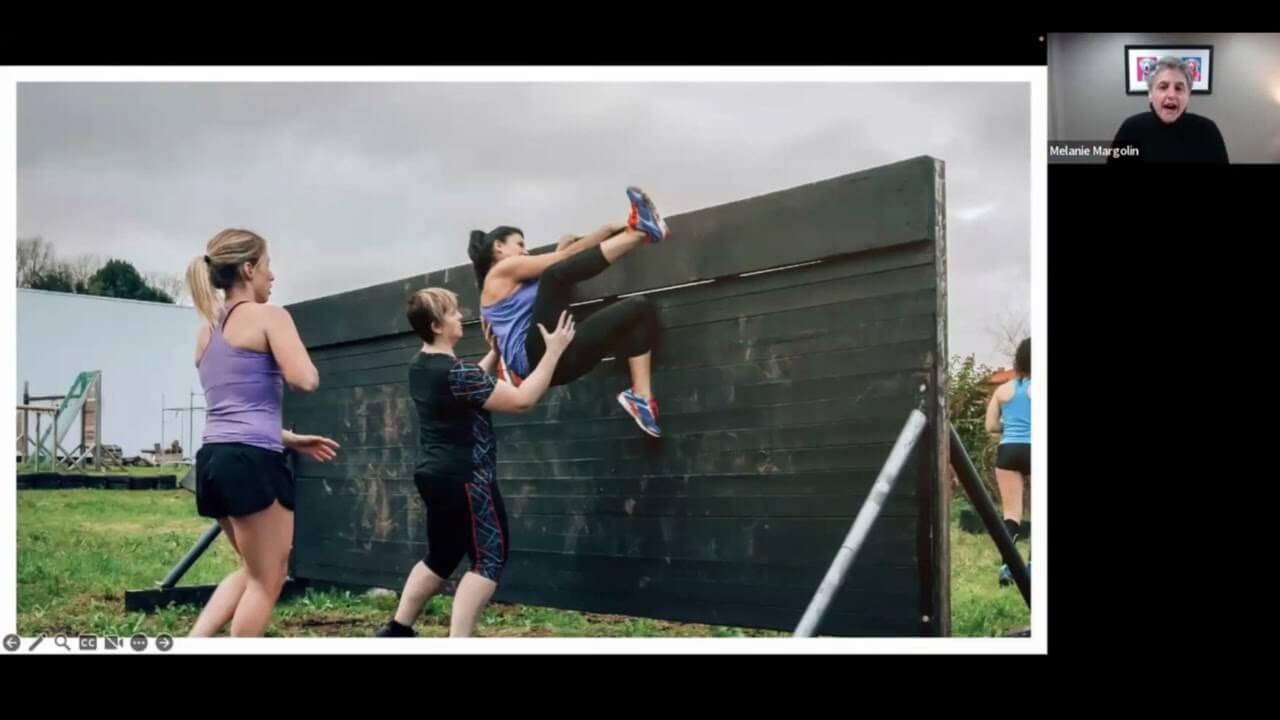
She came to talk tech, was told to make tea, and no man in the room spoke up
A woman joins a meeting as the technical expert, the only woman in the room, and a man tells her to go and make tea; nobody intervenes, and she ends up walking out. Andrew Moran, a Senior Office 365 Architect at Fujitsu who interviews women in tech on his podcast, argues that this is exactly where male allies are tested. So what separates a real ally from a sympathetic bystander?
Learn the six pillars of a male ally and what a male champion does day to day
Andrew Moran, Senior Office 365 Architect at Fujitsu, explains what it means to be an active male ally for women in tech. He sets out six pillars for spotting male allies and four things a male champion should do, drawing on stories from his Microsoft Spotlight Podcast, which interviews women from around the world.
“So please speak up on behalf of women if they are being unfairly challenged in meetings that you may be attending.”
“And because it's their story, it's timeless. No one can ever take away what they've done and what they've achieved.”
What you will learn
Recognise the six pillars that mark a potential male ally in your organisation.
Approach qualified women directly about roles instead of waiting for them to apply.
Amplify women's points in meetings and speak up when a woman is unfairly challenged.
Plan the male champion's role around education, celebrating achievements, mentoring and speaking up.
Use storytelling platforms such as podcasts to make women's experiences and role models visible.
Key takeaways from the speaker
Allyship
Inclusion
Diversity
Equality
Details
Level
Beginner
Format
Talk
Technical depth
Non-technical
For
All career stages
Length
21:29
Published
May 2023
Questions this talk answers
How can you identify male allies in your organisation?
Andrew Moran looks for men who show six pillars: knowing the facts about gender discrimination, hiring and promoting women, listening, amplifying women's voices, supporting fair workplace policies and speaking up.
How can a male-dominated team bring in more women?
He suggests approaching women on LinkedIn who could fit the team and asking what they are doing now, because they may want a move but not feel confident enough to apply.
What should a man do when a woman is unfairly challenged in a meeting?
Speak up on her behalf, because she may not feel she can. In his example, a woman told to make tea had to walk out when no man stepped in.
What does a male champion do inside a company?
He educates himself on the company's diversity and inclusion policies, celebrates women's achievements, mentors colleagues and speaks up to promote them, for example encouraging female colleagues to join webinars.
Why should you support an idea that seems badly presented?
Because someone sat and thought about it; Moran says no idea is a bad idea, noting he first thought his own podcast was one.
About this talk
Male Ally, what does that mean? Well in this session I will share my experiences of becoming a true male ally not only within my organization but also to the tech community.
Since I set up a podcast that interviews Women from around the globe, I have learned so much more about the tech industry and the challenges that are faced by Women globally. As this is just a country-specific thing, it affects every Women In Tech. It is important that male allies are actively promoting women throughout their organisation.
Andrew Moran: Hello, and welcome to this session about the role of a male alloy. My name is Andrew Moran. I'll do a quick introduction before I start going into the slides. So, as I mentioned, my name is Andrew Moran. I am a senior Office 365 Architect for Fujitsu, a little known company in Japan with massive global reach. I am also a former Microsoft value professional for my work in the community where I used to run different user groups, conferences, as well as doing public speaking sessions around the globe. Also, I'm the founder of the Microsoft Spotlight podcast, which I will touch on later in this deck. It's a podcast that I created and I interviewed women from around the globe in the women in tech space. I have 20 years
experience. So yes, this young, fresh face that you see in IT since I was 17 years of age. So 20 years now of dealing with people, IT and all kinds of problems that may come across. I've also put my socials right there as well. So you can catch on Twitter @thewatchernode @msftspotlight. And then there's also my links to my LinkedIn and LinkedIn company page for the podcast itself.
So, first of all, why am I passionate about diversity, equality, inclusion? Well, I come from a diverse background myself. My grandparents are Jamaican on my mum's side and on my dad's side, they're all Irish and English. So I've got a very diverse family background. From an inclusion perspective, I've always been very much involved in different walks of life of different groups of people because of my heritage. And also I fall under the bracket of neurodivergent. So I also have ADHD, which at some point is my superpower, but also can obviously be a blocker for myself when trying to really push myself forward.
So the first thing that I want to basically do in this session is talk about why I became a male ally. And one of the things I've basically put together is four pictures. These are from events that I've either run or been to. And what do you notice about all four pictures? Every single picture, there is a male in there. There's only one female in one of the pictures that you can actually see.
So IT has always been very much male driven, which is a massive negative for this industry. It needs to be more diverse to have better experiences from and better input from better everybody. So I've always been trying to drive more inclusion from women at events that I've run by including more female speakers, try and promote out through different channels for the women in tech to try and include more women. And one of the good things that I've basically seen since COVID is that because the whole massive disconnect of being in front of people, which is obviously quite a challenging thing, quite a nerve wracking thing. I've now seen a lot more fantastic women in my community start doing public speaking sessions. They started through COVID doing virtual,
and then they've gone on to do face to face as well. And it's great to see. And in the last two years, I've run a women in tech panel, a local conference in the UK called the Safecoach Summit. And I've had women basically join that panel from Microsoft corporate, as well as people across the UK as well.
And it's been great, obviously, share their stories and a panel discussion and having questions as well. So how do you identify male allies in your organisation? For me, there's six pillars. One of them is basically knowing the facts, understanding the whole reasons why there's gender discrimination, why there's challenges in the workspace, and how you can basically drive that.
If you know someone in your organisation that basically has a massive understanding of that, they're probably a key person for joining a male allyship within your organisation. Next up, hire and promote. I've had a massive long conversation with people at Microsoft about this. And the only way, because in my team that I work in, it's very much male dominated. There's not a female that works within the architects in my team, which obviously is a big shame. And it'd be nice to try and include more women to have more of a diverse workforce. And one of the conversations that I've been having a lot recently is how you tackle that. And the reason, the way that I've spoke about it with colleagues is if we see people on LinkedIn who may be a good fit for our team, whether that's from a
diverse background or from a women tech background, it's basically going to approach them and see what they're currently doing. Because at the end of the day, they might be looking for that next move, but they might not feel confident to basically go and apply for it. So if you go and have that conversation and see what they're currently doing, you may be able to include them into your organisation quite quickly. And sometimes there's also a financial reward for yourselves for doing that. But obviously, the biggest reward is having a more diverse workforce. I think in my team itself, we've got a number of diverse people from the Asian community, the black community. So it's nice to have that, but it needs to expand on more and start to include some more women into that as well.
My next point is basically listening. I mean, we need to obviously, we need to basically listen to what's happening in our organisations and basically be able to drive that forward. Scroll down. Because it's important that we all focus on listening to everybody. Everyone has a valid opinion, including obviously, the next section is amplified women's voices. So I have had many conversations where I've been in a room where I could be, you know, one of many males in that room, and there's only one female. And that happened recently when I went to a customer meeting. We had two females in the room. One was from my company and one was from Microsoft. One from Microsoft, I know very well.
And she can carry herself in any environment. She's been in the game for a very long time, and she's a fantastic speaker. It's also important to when they speak is obviously help amplify their voice. So if they say something that, you know, is very keen, relevant, push that across, make sure you're promoting that and agreeing to what's been said. If you don't agree to what's been said, then, and being negative towards it, then, you know, you're not, you're not helping out, you're not tackling the issues. And I had a conversation with a woman in tech recently, where she was the only female in the room. And she was basically challenged by a male to go and make tea, which, you know, she was there as a technical person having a technical conversation. But this gender bias from this particular
person basically put it down as just a person there to help facilitate the meeting and make tea, which, you know, is not good enough. So next up is support fair workplace policies. So in Fujitsu, we have a lot of networks. So I'm part of the women in tech network. So I help basically support the women in that group, and whether that's using my professional background as a myself certified trainer and delivering sessions to help encourage people to push on and do more or helping using my own platform that I've created to help amplify their voices and share the experiences that I've basically learned from all the different women that I've spoke to. It's also good then to have obviously diverse platforms as well, because obviously diversity is a massive thing as well. So it's very much if you've got a male within the
organisation that's working with any of these particular five, then they're probably a good candidate to call a male ally within the organisation. And the next up is speak up. So if a woman in the room is feeling uncomfortable because of things that have been said, as I mentioned before, where conversations had with a female colleague, where she has to make tea, speak upon her behalf, because sometimes she may not feel that she wants, she may not feel that she can.
But also, you may not feel that you can as well, because you don't want to step on her toes. But honestly, I mean, I had this long debate with this particular person, if a particular male stepped up and helped her, she would have felt and left that room much better. In the end, she had to get up and walk out of the room. And then the particular person had to then go and apologise for their negativity towards her. So please speak up on behalf of women if they are being unfairly challenged in meetings that you may be attending.
So what should a male champion do within your organisation? So as a male champion within Fujitsu, it's all about education. So educating myself on the company itself, the different business units, understanding our policies, whether that's from women in tech, diversity, inclusion, equality, making sure that I understand each particular area in great detail. So I can then basically join meetings within my organisation and promote that. And also then go and speak outside of that as well.
Next up is celebrate. It's massively important to celebrate and promote achievements and of everyone within your organisation from every walk of life. So obviously this is about women at the moment. So celebrate their achievements in the organisation. So one of the women in our Women in Business Network who joined it as just a champion and they've been promoted up into a lead role because of the work that she's been doing in our community group. So it's very important to also speak out and promote these people because one of the things that I speak a lot about in my podcast is also having that person to basically look up to. I had a particular guest on that saw a particular other guest that had on as their Beyonce, their superstar that they basically want to emulate. And if you have people
like that within your business, it's massively important. And within Fujitsu, a lot of the senior leadership roles within my section are filled by women, which obviously a great thing to have. Next up is mentorship. So mentor your colleagues. So if there's anyone in your business that wants to basically push on and do more, then step in there and help out. Because, you know, I've been in this now 20 years, I've done so many different things speaking around the world. I've got a lot of experience to basically share with people coming into the organisation. I mean, I started at the very bottom working at a private hospital and I was basically dealing with consultants, patients and also football football players as well in the UK for a particular team. And from that, it gave me a big education,
understanding how to look after people in the IT market and then basically push on from that as well. Because, you know, one of the things that I like to basically class myself as is a social comedian that I can basically walk into any room and be able to address people at the right level, no matter who they are.
They could be at the very bottom as an apprentice, or they could be a very top as a senior vice president. I know that I can basically go in and have a conversation. And I have a lot of things that I use to basically break hoist as well. So mentorship is very important for basically helping to promote people from lower down the tree to basically move up as well.
And finally, on champions, again, speak up. It's massively important that you all speak up as a champion and promote colleagues in whatever they're doing. So, we've had infinites at them recently, we've had a lot of webinars that I've basically supported. Because I'm basically using my technical background to help support that. And I basically speak up on behalf of my female colleagues within my own team to come and join this, because it's, you know, it's massively important. It's educational for for yourselves, but not only for yourself, but the business as well. So it's really important that basically, we share a positive message.
I'm trying to address that gender equality imbalance that is basically happening with every organization. It's not nice to see. And you say, for myself, I've had challenges where I've been challenged as a diverse person. But now also falling under the bracket of neurodiversity as well. It's, you know, we have to speak up on behalf of that. And then one of the reasons why I only know that I'm neurodiverse was actually from speaking to a woman on my podcast.
We have the same ideas, the same mindset, and a lot of things that we basically approached in life. And that were basically from speaking to that female on my podcast, also basically that led me into going and get myself checked as a neurodiverse person and getting ADHD. So there are the key things that I basically believe that we all should do as male alloys.
I'm happy to be challenged on that. If there's any questions, please put it into the chat. But, you know, it's basically everyone's responsibility to make sure that we're promoting people within our organizations effectively and professionally as well. So what I want to basically move on to next, and we've got six minutes to do with that is basically I run a podcast as I've already mentioned.
So this is one of the reasons why I got massively involved in Women in Tech, because I want to basically set up a podcast talking about DE and I. and everyone has to be represented. So first of all, I started by basically looking at particular things that I wanted to cover off so diversity, women in tech, but basically what happened in the end, my podcast is now on its 58 episodes we've got released today.
And it's generally been all women on the podcast. So we've had 59 different women on the podcast about nine male allies join me as well. We've shared 56 individual stories. And from some of them stories about massively through me and my co host completely off kilter because we just didn't expect that to have that conversation. We've spoken to women that have basically battle through breast cancer and spoken to women that have obviously neurodiversity dyslexia.
Also through to a particular woman who literally cancelled on us a few hours before an episode was going to record. So they're not having health issues and what actually transpired to actually having a stroke. So she basically, as it cantered on us, come back to us and went, look, it's really sorry. This is what happened. So we had a massive long conversation.
And to be fair to this day, it's probably one of the best episodes that I've recorded because I had so much fun speaking to this woman from South Africa. She was just an absolute scream. And as I say, we've done three special episodes there. We did one for International Women's Day this year. We did mental health last year, which, again, was a big thing for me.
Because I was talking about my own battles with mental health, neurodiversity, the challenges I've experienced in my own family, as well as sharing it from a woman at Microsoft and things that she's had challenges with and also another male ally. And then through our 50th episode, we did the whole women and tech allies episode, just one second, where I basically invited a lot of males that I knew from the community, just to basically answer one particular question.
And I basically stitched that all together. So this is just a quick screen grab. I mean, I say this is only a small number of the women that have been involved. And I say we've had so many brilliant guests on. And if you haven't heard of my podcast, please do go and check it out and listen to some of these stories.
Because one of the key things that I always try and promote on the podcast is I'm casting a spotlight on their life and their story. And because it's their story, it's timeless. No one can ever take away what they've done and what they've achieved. We can only basically promote and talk about it. So, as I say, there's some great episodes on there.
And I've got people from Microsoft corporate speaking, which is sometimes quite difficult to get involved. So, yeah, it's just a brilliant podcast that I love doing. And I always sit here and record it and basically say I'm happy to basically sit here, continue doing it until I'm old and grey and having to wear my slippers. Because it's just so nice hearing how people have basically dealt with different challenges.
With the last couple of minutes, the most important thing is where you can find us. So, my podcast is available on all the usual platforms. We're available on YouTube. So, go and check us out at youtube.com @myselfspotlight. And also, obviously, Apple, Spotify, Google, and a few other icons there as well. Yeah, I just saw that comment there about mental health.
Yeah, mental health is a massive thing. And I mean, if I open up honestly and openly about it. I've experienced my own cousin basically take his own life during COVID. Because he couldn't obviously handle being locked in. My brother-in-law took his own life after marriage breakdown. I've had my own challenges. And one of the episodes I've just released today was a woman basically was involved in the NHS.
She created a Microsoft Para app to basically help triage patients through mental health to identify if they need to be seen sooner. Because the problem that I was having was taking 12 weeks to triage people. With this app, it took you down to three to four weeks. So, that episode, for me, just listening to it was massively important.
Because I've been a person that's been triaged by that application. So, I've got to learn a little bit more about it. So, if there's any questions, please reach out now. Because I'm very much towards the end of the time for this. What would you say to people? Why should I promote an idea if it's stupid or badly presented?
Why should I promote an idea if it's stupid or badly done? What would I say? What would I say to people? Because if you don't understand something, how are you always meant to know what the answer is? So, what would you say to people who say why should I promote an idea if it's stupid or badly done?
What would I say if I promote an idea? Because the idea is someone's basically sat there and thought about it, you know. No idea is a bad idea. I mean, I thought running my podcast was a bad idea to start off with. It wasn't until I basically started speaking to different people in the community about what I'm currently doing, how I'm doing it, then I actually realized the actual impact it was actually having on people within my Microsoft community that I work in.
Is there any other questions? No, okay. What I will say, if there's anyone who's obviously listening to me rambling on and would like to be involved in my podcast as a guest, I'd say please do reach out to me. I'll put my email address in the chat. Just drop me an email. I'd say I'm happy to have, you know, as many guests on. As I say, we're up to 58 episodes released. I've still got another couple episodes scheduled for recording. So yeah, please just, you know, reach out to me. I am very much happy to have conversations with anyone who wants to discuss women in tech or to discuss mental health as well.
So thank you everyone for joining this session. I think I'll run over by a minute.
Transcribed automatically; names checked against the speaker record. Select a time to jump there.
Article based on this talk
What does a male ally for women in tech actually do?
Fujitsu architect Andrew Moran sets out six pillars of allyship and the everyday habits of a male champion.
In short
Andrew Moran, Senior Office 365 Architect at Fujitsu, argues that male allyship is active work, not quiet sympathy. He offers six pillars for spotting male allies in an organisation (know the facts, hire and promote, listen, amplify women's voices, support fair workplace policies and speak up) and describes what a male champion does day to day: educate himself, celebrate women's achievements, mentor and speak up. His examples come from 20 years in IT and from the Microsoft Spotlight Podcast, where he interviews women from around the world.
Key takeaways
Allyship
Inclusion
Diversity
Equality
Why a male-dominated industry needs allies
Moran opens with his own background. He describes a mixed heritage and says he is neurodivergent, living with ADHD, which he calls both a superpower and at times a blocker. "My grandparents are Jamaican on my mum's side and on my dad's side, they're all Irish and English. So I've got a very diverse family background." (1:23)
He then shows four photos from events he has run or attended. Almost everyone in them is a man, with only one woman visible across all four. "So IT has always been very much male driven, which is a massive negative for this industry." (2:30) His response has been to bring more women speakers to his events. He notes that since COVID, many women in his community began speaking virtually and then moved on to in-person stages, and he has run a women in tech panel at a local UK conference for the last two years.
Six pillars for spotting a male ally
Moran's framework for identifying allies is built on six behaviours. The first is knowing the facts: understanding why gender discrimination happens and where the challenges in the workplace lie. The second is hiring and promoting. His own architect team has no women, and he describes conversations with colleagues about reaching out directly to promising women on LinkedIn rather than waiting for applications. "Because at the end of the day, they might be looking for that next move, but they might not feel confident to basically go and apply for it." (4:57)
The third and fourth pillars are listening and amplifying women's voices. When a woman makes a relevant point in a meeting, an ally backs it and pushes it forward. Moran then tells the story at the heart of the talk: a woman in tech, the only woman in the room and there as a technical person, was told by a man to go and make tea. No man intervened, and she eventually walked out; the man later had to apologise. The fifth pillar is supporting fair workplace policies, which at Fujitsu includes joining employee networks such as the women in tech network, where Moran uses his experience as a certified trainer to run sessions. The sixth is speaking up. "So please speak up on behalf of women if they are being unfairly challenged in meetings that you may be attending." (8:44)
What a male champion does day to day
Once allies are identified, Moran describes the role of a male champion inside the company. It begins with education: understanding the business units and the organisation's policies on women in tech, diversity, inclusion and equality well enough to promote them in meetings and beyond. Next comes celebration. He gives the example of a woman who joined Fujitsu's Women in Business Network as a champion and was promoted into a lead role because of her community work, and he stresses how much people need role models to look up to.
Mentoring is the third habit. Moran started at the very bottom, supporting staff, patients and others at a private hospital, and he sees his experience as something to pass on. "So mentorship is very important for basically helping to promote people from lower down the tree to basically move up as well." (12:01) Finally, champions speak up, for example by encouraging female colleagues to join webinars and events that build their profile.
Lessons from a podcast about women's stories
Moran's allyship grew through the Microsoft Spotlight Podcast. As the speaker cited, it had reached 58 episodes, featuring 59 women and about nine male allies, and 56 individual stories. Guests have spoken about surviving breast cancer, dyslexia and neurodiversity, and one guest who cancelled hours before recording turned out to have had a stroke. He adds that a conversation with a guest is what led him to seek his own ADHD diagnosis. "And because it's their story, it's timeless. No one can ever take away what they've done and what they've achieved." (16:54)
He also speaks openly about mental health, including losing family members to suicide. He describes an episode with a woman involved in the NHS who built an app to triage mental health patients, which, as the speaker cited, cut triage time from 12 weeks to three to four weeks.
Why every idea deserves a hearing
In the closing Q&A, an attendee asks why anyone should promote an idea that is stupid or badly presented. Moran's answer is that someone took the time to think it through, and that understanding comes from engaging with it. "No idea is a bad idea. I mean, I thought running my podcast was a bad idea to start off with." (19:49) He ends by inviting anyone who wants to discuss women in tech or mental health to join the podcast as a guest.
Watch the talk
"The role of a male ally for Women In Tech" by Andrew Moran, 21 minutes: https://www.womentech.net/video/role-male-ally-women-in-tech
About the speaker
Andrew Moran is a Senior Office 365 Architect at Fujitsu and the founder of the Microsoft Spotlight Podcast, which interviews women globally about their life experiences and careers. DE&I is a core value for him because of his diverse family upbringing, and he has been speaking at Microsoft community-driven conferences and events since 2014.
Questions this talk answers
How can you identify male allies in your organisation?
How can a male-dominated team bring in more women?
What should a man do when a woman is unfairly challenged in a meeting?
What does a male champion do inside a company?
Why should you support an idea that seems badly presented?
Drafted with AI from the talk transcript. Editor review pending.
Frameworks and ideas mentioned
Six pillars of male allyship
Resources mentioned
Microsoft Spotlight Podcast
Cite this talk
Andrew Moran. "The role of a male ally for Women In Tech." WomenTech Network, 2023. https://www.womentech.net/video/role-male-ally-women-in-tech