Your competition is now your customer's last best experience
Peloton went from a mocked December 2019 ad of pristine Manhattan penthouses to a brand rebuilt around community, while Adobe moved its in-person event online within a month. Up to 61% of customers, by an EY index the speaker cited, would consider a white label product. Priya Ghandikota, former CMO at Kiddo and marketing lead at Pebble, asks what separates brands that grew through the pandemic from those that stalled.
Learn the accelerations, pivots and metrics that define flex marketing after the pandemic
Priya Ghandikota, former CMO at Kiddo and marketing lead at Pebble, argues that the pandemic made "flex marketing" an essential, lasting skill for marketing leaders. She sorts post-2020 strategies into accelerations (digital, omnichannel, real-time and purpose-driven marketing) and pivots (customer experience, loyalty, meeting customers where they are, free content), using Zoom, Adobe, Peloton and Flickr as examples, and closes with the metrics marketing teams should track.
“So all to say that flex marketing is a skill that's needed today and it will be needed in the future.”
“It is all about the customer experience and no customer can be taken for granted right now.”
What you will learn
Reframe a growth marketing mindset as a flex mindset: resilient, curious, agile and responsive to customers.
Separate marketing strategies that simply accelerated in the pandemic from the pivots that require a change of course.
Reassess your total addressable market now that many first-time digital and mobile buyers are staying online.
Shift messaging from aspirational selling to meeting customers where they are in life, as Peloton did after its 2019 misstep.
Prioritize loyalty, retention, churn and real-time insights in your marketing metrics and tech stack.
Key takeaways from the speaker
Marketing Leadership
Agile Marketing
Pandemic Marketing
Marketing Best Practices of 2020/2021
Details
Level
Intermediate
Format
Talk
Technical depth
Non-technical
For
Mid-career, People manager, Executive
Length
24:28
Published
June 2021
Questions this talk answers
What is flex marketing?
Priya equates a growth mindset, built on resilience, continuous learning and curiosity, with a flex mindset: being nimble, agile and responsive to the market and to customer needs. She argues it is a lasting skill because global upheavals recur.
Which marketing strategies accelerated during the pandemic?
Digital and mobile marketing, omnichannel marketing, responsive real-time marketing, and purpose or values driven marketing were already in play and sped up sharply.
How has brand loyalty changed since the pandemic?
Citing the EY Future Consumer Index 2020, she says up to 61% of customers became willing to consider a white label product. Loyalty is in flux, so brands must reinvest in storytelling and the whole customer experience.
What can marketers learn from Peloton?
Its off-message aspirational ad in December 2019 had tangible costs, but the company pivoted quickly to a digital app, content, community and connected fitness, meeting customers where they are in life.
Which marketing metrics matter after 2020?
Fast proof of concept, integration of brand and demand generation, loyalty, retention and churn, real-time rather than rear-view insights, and unified solutions focused on the whole customer experience.
About this talk
Some brands have thrived during these extraordinary two years of the pandemic and others haven’t. Some businesses have been able to reinvest in product streams already in play due as a result of the pandemic need but others have notably grown market share because of specific pivots in channel marketing and branding strategies and meeting customers where they are. I call this a flex marketing mindset. This session will dive deep in what best practices and lessons we can learn from the likes of Zoom, Peloton, Adobe and others and the specific skills that marketing leaders will need for the US domestic market and globally in this time of flux.
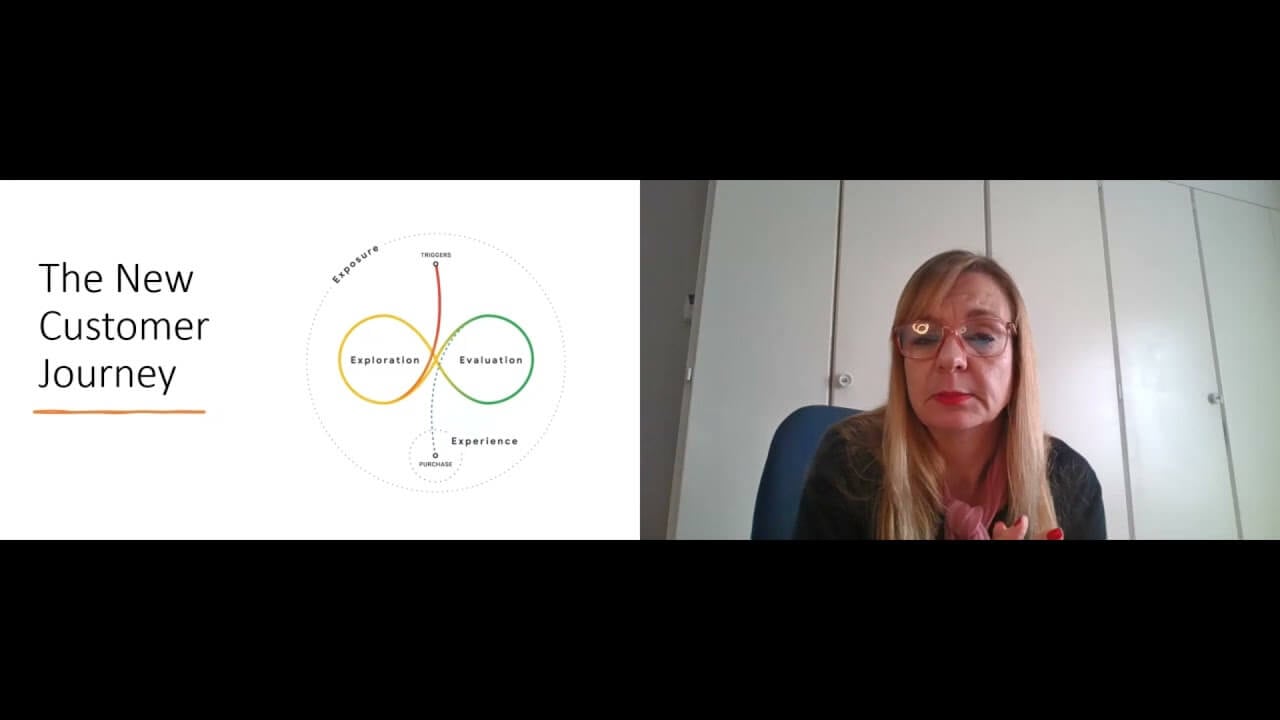
Great. Well, I want to thank everybody who is here today. My name is Priya Ghandikota, and I'm leading the session on reimagining marketing in the pandemic. It's a delight to be here in Women in Tech Global Conference. And this is a topic that has just been weighing on my mind and I've been thinking a lot about for the past year, because much like you, in the midst of much chaos and in the coping and surviving mode, I've also been in listening mode.
And what I have come away with this year has both been on the personal side, but also professionally as a marketer. I've thought a lot about lessons that I would like to take away to become a better marketer, but also a better marketing leader and to show up for customers and be a great customer champion. No doubt, this has been an extraordinary 18 months and it's continuing. The pandemic is definitely not in our rear view mirror just yet, specifically globally. But there are lessons to be had. And I wanted to use this opportunity today to share with you some of the sort of high level insights that I've come away with in terms of how I think the landscape has changed from a go-to-market approach and how consumers across all industries and categories are buying. And so with that,
I'll just kind of dive right in. So in the next 20 minutes, I'll be covering a couple of areas. One is what does growth in the year of the pandemic look like for brands that have done fairly well? And why have they done well specifically? And the skill that I'm really keen on talking about is flex marketing.
And I'll talk, I'll dive into that a little bit later on. I'll also talk about post 2020 marketing strategies in two buckets that I consider are both from an acceleration point of view. So strategies that are already in play that have accelerated post COVID and pivots, right? So adjustments that marketers and business leaders have had to make as a result of a changing landscape. And then because we're marketers, or presumably some of us are today, we want to measure, right? So a discussion a little bit on post 2020 marketing metrics to watch for and to consider. So with that, I'll just dive right in.
So by way of introduction, as I mentioned, my name is Priya Van Dakota. I have held various marketing leadership roles at technology startups and Fortune 500s, where I've helped to build regional and product lines of business, primarily in the tech space. I've launched over 20 hardware products and services, a number of them have been nascent in the nascent category, new category products.
And then I am a global operator, I've led regional marketing, and I've been based in Asia Pacific, I've been based in Europe, I've based throughout the throughout North America. And today, I'm in the San Francisco Bay area. And so I think just by definition, having worked in startups and having launched products and having kind of gone into new markets for the first time to launch a product, I'd like to think that I may not be an expert in flex marketing, but I certainly have become appreciative of those flex marketing skills. So this is a topic that's near and dear to me.
So in terms of what I mean by flex marketing, I actually had some time to think about what the literature that's kind of around growth marketing, growth marketing mindset, if you have interviewed with a company in the last five years, no doubt, you'll inevitably be asked, what is an example of where you've applied a growth marketing mindset. And there's a lot of literature written about what a growth mindset is. And so I wanted to unpack that a little bit. A growth mindset is about being resilient, about continuous learning, about curiosity. And if you think about it, all those attributes are very specific to having a flex mindset, right, being nimble, being agile, being responsive to the market, to customers needs. And so in my mind, I'd like to turn the vernacular a little bit on its head,
and think about growth mindset really equals a flex mindset. The other thing that I wanted to talk about was just that flex marketing is really not a fad. It's not something that's fashionable and it's just here to stay for a year or two. This is not the first time that we've gone through a major global upheaval and how it's affected supply chains and customer demand and, frankly, human life. We've seen it in many different forms in the last, I mean, since forever in the business world. I personally had kind of lived through the period of SARS being based in Asia Pacific and learned how to sort of cope and navigate those turbulent waters. So all to say that flex marketing is a skill that's needed today and it will be needed in the future.
It's not the first time we're going to be going through, we've gone through global upheaval and it's not going to be the last. The other thing is, if you look up agile leadership, particularly in the tech world and particularly in startups, you will see sort of this over indexing historically on product management, right? Like how do you take products to market in an agile, responsible way? But you don't see a lot, I would argue, on agile marketing. And I think that literature and that inventory of content is really being built right now. And I'd venture to guess that as we kind of emerge from the next, in the next couple of years, we'll see some best practices of marketing leadership in being flex and being responsive and the importance of agile marketing. So that sort of inventory of content is
really being developed right now. And similarly, as we're sort of preparing to be agile marketing leaders, so is the marketing technology stack. So in the last 10 years, I've seen some such remarkable changes in terms of integrations across all of, you know, CRM platforms and BI and marketing automation. And now the next sort of quantum leap that technology vendors are taking is really to be supportive in for marketing leaders to be responsive and flexible in their in their marketing strategies.
And really, what I mean by that, and I'll talk a little bit about it, is integrating very sophisticated AI insights into all areas of the marketing tech stack. So in terms of marketing strategies post 2020, there's sort of two buckets that I'd like to think about, as I mentioned, one is accelerations. And the accelerations are really strategies that were already in play, that have just accelerated because of the global pandemic. And then there's pivots, which are really about adjusting and changing strategy and changing course, and some may not be surprises. So I'll unpack these later, but just to kind of go through the through the list. What I'm seeing particularly, no surprise, is the investment in digital mobile marketing is is on the rise. Omnichannel marketing was always there,
and now there's sort of even more of an emphasis on having marketers understand the whole sort of channel experience from end to end, and all the levers that inform that channel experience. Responsive or real time marketing has become incredibly important, and I'll talk a bit about that, and purpose driven or values driven marketing. On the pivot side, what we're seeing is the importance of meeting customers where they are versus just an aspirational sell. And this is not just about where customers are in the funnel, but also really where they are in life in terms of messaging and being authentic. And I'll talk a little bit about some examples around that. Organizing a unified view of the customer experience, and I underline customer experience and how important that is for CMOs today.
A renewed attention to loyalty, and if I could sort of redline anything on the slide, it would be this particular point. And then similarly shifting gated content to free knowledge share, and more so on areas around COVID-19 resources, but also about helping customers and stakeholders up level their own skills. So let's start with the obvious, digital and mobile transformation. This is in the bucket of, you know, already on the trajectory of digital mobile transformation. IDC predicts that companies will be investing $6.8 trillion in their mobile and digital infrastructure in the next two years. Mobile and digital consumption of content has, and offers has increased, and so has mobile and e-commerce as well.
So no surprise there, obviously accelerated with, with self shelter in place last year. But what's interesting here is, and what's remarkable to me, is not just the accelerated expenditure in in these spaces by people or users and customers who are already using these technologies. But really, it's about the segments that were never using these technologies prior to the pandemic, that have now subscribed to this digital stickiness, right? So Accenture predicts an increase of 169% in mobile and online purchases by new or infrequent mobile and digital buyers. The graph to my right is a study that McKinsey did on consumer sentiment, where they interviewed 13 countries that were most affected by COVID as related to GDP. And of all of the sort of first time online and mobile shoppers who had started e-commerce and mobile shopping since when COVID started or shelter in place, over 65% have indicated that they will stick to that course.
So as a marketer, we were always kind of wary of going after, from a mobile and digital ad perspective, users who were not already subscribed to these platforms or these technologies because the cost of acquisition was really high. What I'd like to kind of leave you with the thought is, is that this total addressable market has just exploded, right? So a lot to think about in terms of segments and the total addressable market that are using mobile and digital commerce, um, as a regular, um, modality.
Similarly, omni-channel marketing is in the same boat. Um, I won't go through all the numbers here, just in the interest of time. But if you have an opportunity, I definitely encourage you to look at the Accenture report that talks about COVID-19 consumer pulse research. And really what we're seeing is a sustained increase in consumer bias towards omni-channel shopping globally.
So people who've never done curbside pickup or home delivery or virtual consults are now not only sticking with it, but there's an increased usage. So omni-channel marketing in terms of what we always knew has now accelerated in the pandemic. Responsive and real-time marketing. So this is a little bit to unpack because obviously marketing is responsive. But what I mean by this is this ability for marketers and marketing leaders to respond really in real time, um, with content and offers and messaging and creatives that matter in the moment. Um, and the biggest hit, I would argue, if you're a CMO and you're looking at your annual plans, the biggest line expenditure in your budget arguably would be your advertising dollars if you do advertise. And so if you're looking at TV or out of home, what we saw in Q1 and Q2
of last year was this remarkable shift from advertisers walking back and walking out of their contracts and media buys because it was just not performing or because the creative was not resonating or because that particular commercial or that particular ad was produced six months ago or four months ago in high production value. So, um, and there's so many cases of this that I could talk about or cite, but the point being that now this really called for marketers and advertisers and agencies to sit together and think about how to reinvent on the spot. And so we saw a traditional TV advertising going down by 15%.
Also 6 million households in the U S had cut cable, um, and were really subscribed to streaming services. And so we saw an increase in ad spend on streaming services like Roku, as an example, and as on a network, um, streaming platforms, an increase in digital ad spends and increase in, in, uh, social media, um, ads as well. So the ability, what traditional TV linear TV did was not allowing for in terms of flexible buys and ability to switch out messaging, direct response, high ROI now was being reinvented in the air pandemic. And I would argue, this is kind of the new way of thinking about things in terms of real time and responsive marketing and similarly revisiting the mark, the marketing tech stack. So wherever you are in the funnel, your CRM, your BI, your marketing
automation, really the next conversation you're going to have with your CRM vendor is really going to be about how can I not just deliver, deliver real-time insights, but allow you to action it. So that's going to be sort of the, the gold standard, right? Or the expected standard in our, in our tech stack today. Purpose driven or values driven marketing was already on the rise. We saw this. There's so much data around this in terms of how consumers buy and purchase. Um, but, um, that's accelerated in the area of COVID. I think customers and users, whether you were an enterprise user or you're, uh, you know, uh, um, an end, uh, B2C user or sorry, uh, end customer, you really are looking at brands to understand
where you are in your life and what is their value and how can they communicate that to you? So the brand storytelling, I saw a lot more investment in, in brand dollars, um, within companies. Um, so purpose driven marketing has obviously taken off, but particularly in COVID, it meant how are brands actually responding to COVID-19 and to the global pandemic and what are they doing? And so that storytelling and that narrative had to be had and some brands shied away from it and didn't fare so well. And some brands like Adobe dived right in. Um, Adobe has been just phenomenal. I wish I could tide more time to talk about Adobe and how they sort of, um, really cemented their, um, position in this space as a category leader. But, um, let me just say this Adobe ended up switching their offline
event or their sort of in-person event into an online event within a month. Um, they made all of their digital assets, uh, content free. Uh, so created all this great content, um, which allowed for more marketers and content users to use their, um, to, to access their content. They created an inventory that was specific for COVID-19. They've done a remarkable job at using their employees, um, as part of their sort of brand messaging. And so they have, um, implemented, uh, sort of helplines and support tools for their employees during the crisis to help them better manage, um, and get information when information was scarce.
Um, so their increased focus on employee engagement was really representative of what's happening in the industry and investments that are happening in employer brand marketing brands that recognize that their employees are extension of their brand and brand ambassadors are, are the ones that are succeeding and doing well. And then Deloitte ran a, um, uh, 2021 marketing global marketing trends survey, which indicated that 79% of consumers, and this is over 2,400, um, customers interviewed recall instances of brands positively responding to COVID-19 to help their customers, workforces and communities.
That's 79% of brand recall. That's phenomenally high. And it shows how important it was for users to understand that the brands that they, they, they bought into were actually responding in real time to, to the prices. Um, if we started to look at some of the pivots, um, you know, again, not a lot of time to go into the zoom example, but this is an important one, which is the customer experience in the past.
As marketers, we looked at the customer, um, uh, product experience, but not experience with the brand and customer experience would either sit in silo departments like post customer support, or it would be in marketing in the driver's seat, but companies like zoom, which had very great leadership around this in the early days, even prior to COVID with Eric one had understood that making customers happy end to end needed to be the final mantra of the company. It, there was just no, um, misinterpretation of what Eric one was really trying to achieve with zoom. So I would argue that, you know, their response to the, um, security issues with zoom last year and, um, how quick they were to respond to it, how it was all hands on deck, how responsive they are on social media to the, both the goods and the
bads and the reviews that come in, um, how they consistently talk across all lines of business about their end goal being about creating happiness is something that has helped them stay in the market as a market leader. Um, uh, and you know, proof is in the pudding in terms of how well, uh, zoom is doing today, but that unified view of the customer experience, um, is I think where companies are going to be heading to. And I will say there are some companies that are doing a great job at actually organizing their businesses around customer segments, um, product engineering, uh, marketing, and sales are around customer segments in developing experiences and not necessarily just on the product area. I think the other pivot that's really changed is that brand loyalty has changed.
And this is a one that I, I mentioned that I wanted to kind of redline, um, Ernest and Young did a future consumer index 2020. Again, I encourage anyone to read is very, very insightful up to 61% of customers depending on the category became willing to consider a white label product and let alone switch name brands. So we are seeing a huge flux in what loyalty means for end users today. Um, and again, that kind of goes back to what I was talking about the reinvestment of dollars into, into the brand and storytelling and values driven marketing. Um, I love this quote by Janet Bayless, um, from, uh, Harvard business review. She writes in the 10 truths about marketing after the pandemic, the old truth was
that you were competing with your competitors. And the new truth is you are competing with the last best experience that your customer has had. I'm just going to let that sit because that's, it's just so true, right? It is all about the customer experience and no customer can be taken for granted right now. Meeting customers where they are is something that I've talked about quite a bit, and it's another pivot that's happened in the industry. When 10, 15 years ago, many of us in the marketing field were looking at sort of those luxury car ads as the sort of go-to marketing. Um, no offense for anyone who is from a luxury car brand who's here today, but you know, this idea of an aspirational sell, you were
selling a lifestyle. In COVID, I think there was a real shift in the authentic message and the authentic voice and what customers were expecting brands to kind of relate to them. And it wasn't about an aspirational sell. It was about meeting customers where they are. And I use Peloton because I'm a big fan and I believe in the brand, but you will all recall this sort of PR fiasco of December 2019, which was prior to, to COVID hitting the U S but this idea that they were building, um, a lot of messaging and, um, ads around, um, uh, they were just really off a little off color off message. Um, these beautiful homes, these pristine Manhattan, um, penthouses, um, which spoke to a user group,
but would not ever help, uh, Peloton scale. And there was a particular commercial obviously that drew ire for gender stereotypes and sort of, um, uh, health and wellness image body issues. And so, you know, Peloton pulled that ad obviously, but there was a bunch of memes that sort of emerged as a result. I posted one or two. The message here for me is it's not just about meeting customers where they are in the funnel. It's about the messaging and getting it right. It's about where they are in their life, because whether you're talking to a CIO or you're talking to, um, uh, the end user, who's looking at a Peloton bike, the point is, is that people were very clear this year and last year that they wanted people, they wanted to be sold as a, to, as
being a person, right? Where, where they are in life. They wanted to understand, know that brands understood where they stood in life. And so being off message like this kind of resulted in, you know, decline in shares. It had real tangible results for Peloton, but they pivoted very quickly. And what they did is they opened up their digital ecosystem. They dropped their digital app.
They created a whole branding messaging production area around content and community and experience versus the design and hardware and really kind of doubled down on this idea of connected fitness. Um, the community piece and how much they invested in the Peloton community is, you know, bar none. I mean, they've just really done a phenomenal job there. So all to say that I think when you think about Peloton today and where it was in 2019, it's a completely different brand and it's a result of them listening to their community and understanding to meet their customers where they are. And then the final piece here is content marketing. Um, and, um, this is the, you know, this is really where, you know, an example like Flickr where this is nothing to do with the photo
sharing site in terms of their solutions, but they created a repository and an inventory for photographers to get resources on loan assistance, um, to get support from other photographers, uh, to, um, to, to, to get resources and grants and funds. So this was a real example of a brand showing up where it wasn't monetized content, but it was something that was needed. Um, similarly, we're seeing shifts from gated content for member only, um, uh, customer only content to free and accessible content, which is very important in building brand equity and then DIY and educational content is obviously taken off. And then, you know, I'll just, you know, I'm a little over time. So I just sort of wrap up here with marketing metrics, any marketing tech stack,
I think looking forward is going to have to build in, um, abilities to, um, drive proof of concept fairly quickly for marketing leaders to get back to the business integration between not just the demand gen side of the business, but also brands or brand and demand gen and how they work together, surfacing loyalty, retention, and churn. Again, this emphasis on loyalty and how important it is, is going to be something that we're going to see from, you know, now for as long as I can think of real time insights versus just rear view insights. So not just analyzing what happened last quarter, but understanding what's going on now and being able to communicate that to the business and then continuing on this trajectory of unified solutions in your marketing tech stack versus
point solutions that really focus on the whole customer experience. And so with that, I will leave you with this image because for some reason I have an inordinate amount of ocean and, uh, uh, boat analogies in my book of quotes, but this is one I like, um, rather like the bold sea captain, one must sail sometimes with the wind and sometimes against the wind, but one must surely sail. And this reminds us that in times of ambiguity, at least for me, it's really one step after another. So, um, with that, I will let you, um, I, if anybody has questions, would like a copy of this deck, would like to talk further, you can DM me at, uh, Twitter at P. Gandic and, um, on LinkedIn at in slash P. Gandicota,
but thank you all for joining today.
Transcribed automatically; names checked against the speaker record. Select a time to jump there.
Article based on this talk
What marketers learned from the pandemic about staying flexible
Former CMO Priya Ghandikota explains why flex marketing is a lasting leadership skill and which strategies and metrics separated winning brands.
In short
Priya Ghandikota argues that the pandemic turned "flex marketing" from a nice-to-have into a core skill for marketing leaders, and that it will be needed again in future upheavals. Drawing on examples from Zoom, Adobe, Peloton and Flickr, she separates the strategies that simply accelerated from the pivots that demanded a change of course, then names the metrics marketing teams should watch next.
Key takeaways
Marketing leadership
Agile marketing
Pandemic marketing
Marketing best practices of 2020 and 2021
A growth mindset is a flex mindset
Priya opens by describing a year spent "in listening mode", both personally and as a marketer. Having launched more than 20 hardware products and services and led regional marketing across Asia Pacific, Europe and North America, she frames flex marketing as something she has come to appreciate rather than claim to have mastered.
She starts from a familiar interview question about applying a growth marketing mindset and turns it around. "A growth mindset is about being resilient, about continuous learning, about curiosity." (3:26) Those same traits, she says, describe being nimble, agile and responsive to customers, so a growth mindset really equals a flex mindset.
She is clear that this is not a passing trend. Having lived through SARS while based in Asia Pacific, she sees global upheaval as recurring. "So all to say that flex marketing is a skill that's needed today and it will be needed in the future." (4:19) She also notes that writing on agile leadership has historically centred on product management, and that best practice for agile marketing is only now being written, alongside marketing technology that increasingly builds AI insight into the whole stack.
Accelerations: digital, omnichannel and real-time marketing
Priya sorts post-2020 strategies into two buckets. Accelerations are strategies already in play that sped up. Pivots are adjustments that changed course.
The first acceleration is digital and mobile transformation. As the speaker cited, IDC predicts $6.8 trillion of investment in mobile and digital infrastructure over two years, Accenture predicts a 169% increase in mobile and online purchases by new or infrequent buyers, and a McKinsey consumer sentiment study found that over 65% of first-time online and mobile shoppers intended to stay that way. For marketers who once avoided these segments because acquisition was expensive, the implication is large. "What I'd like to kind of leave you with the thought is, is that this total addressable market has just exploded, right?" (10:13)
Omnichannel marketing follows the same path, with people who had never tried curbside pickup, home delivery or virtual consultations now using them more. Real-time marketing changed most visibly in advertising: Priya describes advertisers walking away from TV and out-of-home buys in early 2020 because expensive creative produced months earlier no longer resonated. Spend moved toward streaming, digital and social channels that allow flexible buys and fast message changes, and she expects the next conversation with CRM vendors to be about acting on real-time insights, not just delivering them.
Purpose-driven marketing and the Adobe example
Values-driven marketing was already rising, but the pandemic forced brands to say how they were responding. "And so that storytelling and that narrative had to be had and some brands shied away from it and didn't fare so well." (14:09)
Adobe is her standout example. It moved an in-person event online within a month, made digital assets free, built COVID-19 specific content and set up helplines and support tools for employees. Priya reads this as part of a wider investment in employer brand, where employees act as brand ambassadors. She cites a Deloitte 2021 Global Marketing Trends survey in which 79% of more than 2,400 consumers recalled brands responding positively to COVID-19.
Pivots: customer experience, loyalty and meeting people where they are
The first pivot is a unified view of the customer experience. Priya points to Zoom, where, she says, Eric Yuan made customer happiness the company's mantra well before the pandemic, which shaped its fast, all-hands response to security issues and its responsiveness on social media. She also sees companies organising product, engineering, marketing and sales around customer segments.
The pivot she would "redline" is loyalty. Citing the EY Future Consumer Index 2020, she says up to 61% of customers, depending on category, became willing to consider a white label product. She quotes a Harvard Business Review piece on marketing after the pandemic, then adds her own conclusion: "It is all about the customer experience and no customer can be taken for granted right now." (18:56)
Peloton illustrates meeting customers where they are. Its December 2019 ad of pristine penthouses drew criticism for gender stereotypes and body image, had tangible effects on the business, and spawned memes. Peloton then opened its digital ecosystem, launched its app and doubled down on content, community and connected fitness. "The message here for me is it's not just about meeting customers where they are in the funnel. It's about the messaging and getting it right." (20:18) Flickr, which built a resource hub on loans, grants and peer support for photographers, shows the related shift from gated content to free, useful knowledge.
Metrics for what comes next
Priya closes with the measures she expects every marketing stack to support: quick proof of concept, integration of brand and demand generation, loyalty, retention and churn, real-time rather than rear-view insights, and unified solutions over point tools. She ends with a sailing image about moving forward whatever the wind. "And this reminds us that in times of ambiguity, at least for me, it's really one step after another." (23:31)
Watch the talk
Reimagining Marketing in the Pandemic, Priya Ghandikota, 24 minutes: https://www.womentech.net/video/priya-ghandikota-reimagining-marketing-in-pandemic
About the speaker
Priya Ghandikota, Past CMO/Head of Marketing at Kiddo and Pebble, has led marketing for technology innovators in SaaS, mobile, fintech and wearables, launching several new-category products and building marketing functions from the ground up. She was a founding member of LinkedIn's Sales Solutions team, launched the BlackBerry PlayBook in Asia, and has lived and worked in Singapore, London, Toronto, Jakarta, Mumbai and across the US.
Questions this talk answers
What is flex marketing?
Which marketing strategies accelerated during the pandemic?
How has brand loyalty changed since the pandemic?
What can marketers learn from Peloton?
Which marketing metrics matter after 2020?
Drafted with AI from the talk transcript. Editor review pending.
Frameworks and ideas mentioned
Flex marketing
Growth mindset
Agile marketing
Omnichannel marketing
Purpose-driven marketing
Resources mentioned
Accenture COVID-19 Consumer Pulse research
EY Future Consumer Index 2020
Deloitte 2021 Global Marketing Trends survey
Harvard Business Review, 10 truths about marketing after the pandemic
Cite this talk
Priya Ghandikota. "Reimagining Marketing in the Pandemic." WomenTech Network, 2021. https://www.womentech.net/video/priya-ghandikota-reimagining-marketing-in-pandemic