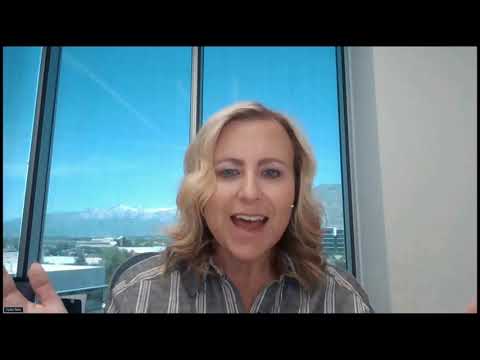
When Impossible Meets Strategy: Soft Skills for The World’s Hardest Problems
Raquel Schreiber24:382024
Când furnizorii liniilor de baterii Tesla au fost concediați, 30 de oameni au trebuit să le construiască
În 2017, într-o fabrică Tesla din Sparks, Nevada, furnizorii care proiectaseră liniile de baterii pentru prima mașină de masă tocmai fuseseră concediați, iar aproximativ 30 de ingineri au aflat că nu mai era nimeni altcineva. Raquel Schreiber, care a coordonat ulterior programul de validare a bateriilor pentru piața de masă de la Tesla, era în acea încăpere. Pentru oricine se confruntă cu o problemă care pare prea mare, întrebarea este cum reușește, de fapt, un grup mic și dedicat să producă schimbare.
Descoperiți cele patru convingeri pe care le folosește pentru a transforma problemele imposibile în acțiune concentrată și colaborativă
Raquel Schreiber, fondatoarea The Gearworks Group și fostă coordonatoare a programului de validare a bateriilor pentru piața de masă de la Tesla, susține că problemele mari, aparent imposibile, sunt rezolvate de grupuri mici care pur și simplu decid să acționeze. Pornind de la creșterea producției de baterii pentru Model 3, ea prezintă patru convingeri: încrederea în propriile talente, încrederea în echipă, gândirea sistemică și colaborarea interdisciplinară, precum și găsirea pârghiei potrivite de impact.
“Dar cred că oamenii care decid să facă ceva sunt cei care o vor face.”
“Este important să știm, atunci când avem încredere în noi, că abilitățile și cunoștințele se acumulează și că putem începe înainte de a avea toate instrumentele de care avem nevoie.”
What you will learn
Echilibrați încrederea în sine cu umilința și sentimentul de urgență prin practica celor două buzunare, învățată de Raquel din tradiția ei evreiască.
Începeți înainte să vă simțiți complet pregătite și creați cadrul de feedback și mentalitatea de creștere care fac ca învățarea să se acumuleze.
Construiți echipe mai mari decât suma părților lor prin încredere, competențe complementare și timp pentru reflecție comună.
Redesenați conturul din jurul unei probleme complexe pentru a vedea ce pârghii controlați și unde se află părțile cele mai riscante.
Aplicați principiul adiționalității și o perspectivă 80-20 pentru a alege schimbarea care ar avea cel mai mare efect.
Details
Level
All levels
Format
Talk
Technical depth
Non-technical
For
All career stages
Length
24:38
Published
May 2024
Questions this talk answers
Cum reușește, de fapt, un grup mic de oameni dedicați să producă schimbare?
Decizând să o facă și apoi acționând strategic: având încredere în propriile talente, construind echipe puternice, gândind sistemic și găsind pârghia potrivită de impact.
Trebuie să știți totul înainte să începeți?
Nu. Raquel spune că abilitățile și cunoștințele se acumulează, așa că puteți începe înainte de a avea toate instrumentele necesare, iar învățarea se amplifică odată ce ați început.
Ce face ca o echipă să fie mai mare decât suma părților sale?
Totul depinde de încredere, la care se adaugă competențele complementare, feedbackul și timpul de reflecție comună, care creează sentimentul de apartenență și permit echipei să se concentreze pe problemă, nu pe membrii ei.
De ce este gândirea sistemică atât de valoroasă pentru problemele dificile?
Privind întreaga misiune ca pe un sistem, echipele pot vedea părțile cele mai riscante, pot testa și învăța rapid și pot păstra tactica legată de strategie.
Cum alegeți unde să vă concentrați efortul pentru a avea impact?
Întrebați-vă ce este adițional: ce s-ar întâmpla fără voi, în ce punct al lanțului valoric interveniți și ce schimbare unică ar rezolva cea mai mare parte a problemei.
Ziua în care Tesla a spus: nu mai e nimeni altcineva (89 s)
Începutul la Tesla înainte de a te simți pregătită (86 s)
Redesenarea conturului din jurul problemelor mari (78 s)
I'll start with a story and then we'll get into the power of collaboration and system coordination and why I believe it's potentially the most impactful and definitely, I think, the most underrated skill and asset that most teams that make real big change have. Raquel: I'm Raquel. I run The Gearworks Group. It's a boutique advisory for businesses and leaders making outsized impact. I work in particular with deep tech founders, emerging tech founders, and with women who have niche expertise in areas of high potential social impact to think about how to get from here to there, there being really, really big impact dreams, but also the next stage.
Raquel: Step with a product focused mindset. I'm super excited to chat. Okay. A story. Look around. Look at the people sitting around you. The people in this room are the ones who are going to make it happen. Raquel: You are the ones who are going to make it happen. No one else. There is no one else. There are no slides. There is also no one else.
Raquel: That is a quote that was said to me in a room, in a factory, in Sparks, Nevada. J.B. Straubel, the CTO of Tesla, co-founder of Tesla, in 2017, said that to me and the battery engineering team, battery designers, battery manufacturing engineers. Raquel: Our contracted vendors who had designed our manufacturing lines for our first mass market product, the product that was going to make us profitable as a company, had just been fired.
Raquel: The leaders of our teams who had designed the systems had just been fired. Raquel: About 30 of us were left. And Elon had decided we are not going to rely on third party partners. We will believe in the power of each other and of the people in this room to make the right decisions, to hire in the right people and to build this.
Raquel: It had been 10 years at that point of trying to prove to the world that electric vehicles were real, that battery storage could become cheap enough to enable storage, solar and wind energy. Raquel: And it had been two months of trying to manufacture this specific battery, failing to do so. Raquel: And it was up to us to prove that this could work.
Raquel: And so what I want to talk today about is that the people who decide to do something are the ones who will. Raquel: And that sounds maybe bold and it sounds maybe like we have a bunch of stories in our head of people who thought they could do things and flew too close to the sun and were hubristic about it and didn't really know what they were doing.
Raquel: That's a story, I think, as a woman, I've internalized that I'm not ready to do it. Raquel: I don't know how to do it. Raquel: But I think the people who decide to do something are the ones who will. Raquel: Social anthropologist Margaret Mead said, "Never doubt that a small group of thoughtful, committed citizens can change the world.
Raquel: In fact, it's the only thing that ever has." Raquel: And so my question, my question of research academically and my question of research through my life experiences in operating settings is how? Raquel: How does a small group of thoughtful, committed citizens actually make change? Raquel: And today in this session, I'm here to tell you to believe in four things with me, four things.
Raquel: Believe in what you bring to the table, your own individual gifts. Raquel: Believe in what your team brings to the table and not to settle for a team that isn't greater than the sum of its parts. Raquel: Believe that cross-disciplinary collaboration and systems thinking accelerates everything. Raquel: And four, to find the right lever of impact. Raquel: Believe that you can find the right level of impact and then that will make a difference.
Raquel: So believing in what you bring to the table, item number one, I'm Jewish. Raquel: I grew up with a concept in my tradition called "bishvili nivraha ulam" . Raquel: What this means is that there's a story told that when we walk the earth during our time on this planet, Raquel: in one pocket, you're supposed to have a piece of paper that says "bishvili nivraha ulam" .
Raquel: The world was created for me. Raquel: And in the other pocket, we're supposed to have a piece of paper that says "but I am but dashed and ashes." Raquel: And living life with this balance in mind is really important. Raquel: These are like our words of affirmation that you say in the morning to yourself. Raquel: Write them on your bathroom mirror.
Raquel: It's important to have that boost. Raquel: And on the other hand, we all need a dose of humility and a sense of urgency. Raquel: What does the world need from me on my short time here? Raquel: And to me, this story exemplifies this idea of a balance, believing in our own abilities Raquel: and putting our abilities to really good use and truly believing in them.
Raquel: And so, you know, a story from my personal experience is my very first day at Tesla, where I started as an intern and then stayed and eventually went back to college and eventually came back full time and rose there. Raquel: My first day at Tesla, I had never been in an operational factory before. Raquel: I showed up to my internship in manufacturing operations and was assigned as my mentor was a six foot four former Marine.
Raquel: And five foot four me and six foot four Todd would walk around the factory together safety shoes and my safety gear. Raquel: And it was a crash course. Raquel: I learned that summer and for nearly a year before I went back to school that believe in your own abilities doesn't mean you know everything on day one.
Raquel: About a week into the job, Todd came to me and gave me a book called Lee Manufacturing for Dummies and the Toyota Way Handbook. Raquel: These are basically Lee Manufacturing 101 principles and said, I think you should read these, but believe in your own abilities doesn't mean you need to know everything on day one. Raquel: It's important to know when we believe in ourselves that skills and knowledge are accumulated and you can start before you have all of the tools that you need.
Raquel: So I knew that I had curiosity. Raquel: I knew that I had gumption. Raquel: I knew that I had an almost a full engineering degree at that point. Raquel: I knew I was proactive. Raquel: I knew I asked so many questions and learn super quickly and I was able to run responsibly with any directive that Todd gave me.
Raquel: And at the time that was enough and learning compounds. Raquel: And so I'm going to put a question. Raquel: I'm going to pose a question for everyone here to put into the chat. Raquel: First, just like think for yourself. Raquel: What was something you started before you were ready? Raquel: Think of something. Raquel: Don't put it in the chat yet.
Raquel: Think of something you started before you were fully ready or before you felt fully ready. Raquel: Do you have something? Raquel: I want you to ask yourself now. Raquel: Yeah, you can feel free to drop it in the chat. Raquel: I want you to ask yourself, did it compound? Raquel: Once you started, did your learning compound on itself for it to feel successful for you?
Raquel: And to think, if so, why? Raquel: And if not, why not? Raquel: Tell me about, in whatever phrase you want to share, what is a sufficient level of readiness? Raquel: When you think about that example, and did it work for you and did it not work for you? Raquel: What was sufficient level of readiness for you?
Raquel: Help from a great mentor. Raquel: Cindy, when you started riding a lawnmower and you didn't feel ready, was it successful? Raquel: Yeah, figure out ability. Raquel: I think most women have a sense of figure out ability that is not quantifiable. Raquel: There are ways to write that in a resume for sure, but I think it's something we forget as a tangible skill to list amongst ourselves.
Raquel: Brutally honest feedback. Raquel: I love that, right? Raquel: If you start before you're ready, how do you actually get better? Raquel: The tools to actually allow it to compound. Raquel: Not afraid of anything. Raquel: That also jives well with the feedback piece, like truly not being afraid. Raquel: People followed you. Raquel: Wow. Raquel: That's incredible, Paula.
Raquel: Not taking things personally. Raquel: Yes. Raquel: Like the ability to have a learning mindset, a growth mindset. Raquel: If you're going to start before you're ready, have a growth mindset. Raquel: Totally. Raquel: Thank you. Raquel: I'm already, I'm inspired by this. Raquel: Okay. Raquel: I'm going to talk about item number two, which is believe in what your team brings to the table.
Raquel: So number one was what you bring to the table. Raquel: And I love this growth mindset that's coming through. Raquel: But believing in what your team brings to the table. Raquel: So the common thinking is if you want to go fast, go alone. Raquel: If you want to go far, go together. Raquel: I think having a growth mindset, believing in oneself, you know you can get a lot done.
Raquel: That's incredible. Raquel: What does it mean to have a team that is greater than the sum of its parts? Raquel: To me, this comes, you know, I'm a product person. Raquel: By training, I'm an engineer. Raquel: By experience, I'm a product person. Raquel: I think a lot about systems and system level engineering. Raquel: The best way to get things done in this world, in my opinion, is with coordination and cross-disciplinary collaboration.
Raquel: And that 100% hinges on trust Dr. Blankensop. Raquel: Thank you. Raquel: Yes. Raquel: Not settling for a team that is greater than the sum of its parts is the most incredible thing I think that any leader can do. Raquel: And it's not just about hiring and it's not just about firing quickly when it's not working. Raquel: It's designing for a team that on the whole is better than any one person could design together.
Raquel: And my question for you in the chat is first think about a work dynamic that you've been a part of where working together felt like magic. Raquel: Like a little bit of extra cumulative boost by having these people in the room or as a partner to you. Raquel: And tell me about what you think that magic was in one phrase.
Raquel: Like where did that magic come from? Raquel: Trust someone already had put in the chat, which I think is huge. Raquel: Anyone else? Raquel: I think one of the major things, complementary skills, yes. Raquel: Complementary skills is a big piece. Raquel: I think when we think about diversity in hiring, diversity in teams, we sometimes think about what people look like, where they come from.
Raquel: We sometimes think about complementary skills and those are usually put into functional boxes. Raquel: But that can be thought of much more broadly. Raquel: Feedback. Raquel: That's actually really huge. Raquel: Time to reflect together. Raquel: Yeah. Raquel: Yeah, like a sense of that breeds a sense of belonging. Raquel: That breeds a sense of trust. Raquel: That breeds a sense of in it togetherness, which allows for failure.
Raquel: It allows for everyone to focus on the problem at hand, not on treating each other as problems. Raquel: Amazing. Raquel: Okay. Raquel: We're nearing time, so I'm going to keep us going, but I'm already really inspired and excited to connect with each other. Raquel: Number three, as we go through our list of four, collaboration and systems thinking elevates and accelerates.
Raquel: So maybe your skills are your functional area of expertise. Raquel: Maybe your skills are in helping elevate everyone around you or elevating an entire system or in facilitating collaboration or multiple of these things. Raquel: And so I personally believe that the systems engineering, the product level thinking that happens when you believe in a system as a whole is the magic thing that enables innovation and big impossible challenges to happen most quickly.
Raquel: It allows you to test quickly and learn quickly because you're viewing this entire company goal or mission goal as a system. Raquel: So you can see where the riskiest parts in the system and focus attention there. Raquel: You can reorient really quickly and strategically tactics and strategy, lower level tactics, high level strategy can always stay really tied.
Raquel: And it allows you to realize where your toolkits are enough and where you need additional tools. Raquel: So there's something I like to think about called redrawing the envelope. Raquel: In engineering land, you draw an envelope around a closed system. Raquel: In complex systems that have a lot of levers, you ideally want to redraw the envelope around enough pieces of it that you have full control over it.
Raquel: So if you're building a physical product, if you're building a software product, you can control the product development. Raquel: Can you control the customer? Raquel: Maybe you can control the customer selection, but you can't control the customer. Raquel: Can you control policy? Raquel: You can try to influence policy, but that's outside of your scope. Raquel: How do you draw an envelope around a big problem in the world such that all of these pieces speak to each other and you're using them all as potential leverage?
Raquel: If you're trying to solve a big problem that's more of a policy problem than a product problem, how do you design for policy and design for product at the same time? Raquel: So solving cross-functional problems requires diverse skill sets where people can go really deep on really specific tools, but also this level of systems thinking. Raquel: And the most valuable thing that this systems thinking group brings to the table is, I believe, number four, finding your level of impact.
Raquel: So what's cool about being a functional expert, an engineer, a coder, a programmer, in-house counsel, someone with a very specific lens and set of tools, is you look at this problem and you say, Raquel: The response is, how do I build something to accommodate this problem? Raquel: How do I build something to fix this problem, alleviate, design around it, make it solve the root cause?
Raquel: And in my work in climate-focused technologies, I think about it via a lens of additionality. Raquel: Meaning, if not for what I am bringing to the table, if not what our solution is bringing to the table, what would happen otherwise? Raquel: Like, would this get solved? Raquel: Would someone else solve it? Raquel: Or am I the one that's going to solve it by bringing something new to the table?
Raquel: What is additional that I can bring? Raquel: And we use that approach to also add in cost as a mechanism for shifting markets. Raquel: How do I create a financially preferable alternative, put it on market? Raquel: How do we drive down the cost of batteries so that electric vehicles and the storage cost of batteries are lower than the alternatives on market?
Raquel: And so being really mindful about where in the value chain you are entering when it's time to pick a problem area you want to work on, a solution area you want to work on, a specific approach at a company you want to work on. Raquel: Being really mindful of where in that value chain of change of potential change you're entering in is really important.
Raquel: There are a lot of things in the world called sustainability, which technically are, but you're not changing something that wouldn't have existed without you. Raquel: You are building another snack product that is technically sustainable, but what type of impact are you having? Raquel: Are you moving the needle broadly? Raquel: And I believe that the women who are showing up to this talk are ones who aren't capable of moving needles.
Raquel: And I don't believe in scarcity mindset. Raquel: So there are many things each of us here can do to take steps towards something that will actually move the needle. Raquel: And my last question for everyone here is what is the current problem we are facing in your work or your life? Raquel: Something that is not going smoothly in the moment?
Raquel: Your kid's teacher isn't communicating well? Raquel: The dishwasher broke right after you got it repaired? Raquel: Your company doesn't seem to be hitting its revenue goals? Raquel: You're not organized? Raquel: Having too many priorities? Raquel: My question now to think about is think about where is the most high value thing you could change to work on that problem?
Raquel: If you could only do one thing to try to shift and fix the majority of that problem, where would it be? Raquel: This is sort of like an 80-20 analysis, but things I want you to be able to think about are like maybe it's about solving root cause. Raquel: Maybe it's thinking about why am I doing this?
Raquel: Why, why, why, five whys? Raquel: Is this about root cause? Raquel: Is this about an overall shift in priority, an overall shift in focus? Raquel: Is this just about making a decision? Raquel: Is there a decision you need to make to say, these are things I'm taking off my plate? Raquel: Is there a decision to say, I'm hiring someone to help?
Raquel: Is there a root cause thing? Raquel: Is there a decision thing? Raquel: Is there a focus thing? Raquel: Focus on health and habits first. Raquel: That could be one thing that helps build foundation, but it could also feel very overwhelming. Raquel: And it might push off the thing you're hoping those things will help you do. Raquel: So it might not be direct, but it might be about focusing on health and habits first.
Raquel: And my last question here is, what is a big problem you feel motivated to try to help solve in the world? Raquel: You don't need to have a perfect understanding of this problem, but you might. Raquel: It might be something you understand very well because it is a big part of your life. Raquel: In grief, I encourage you to share it so that others who might be interested in working on similar things can connect with you.
Raquel: Any items? Raquel: Okay, well, my main message here today, nature positive. Raquel: Ooh, value visualizations and video editing. Raquel: Anything else? Raquel: My main message here is, you know, JB told me on that day to look around, look at the other 30 people in the room so that we can build something that was incredible. Raquel: We ended up hitting our cost.
Raquel: Our targets are ramp targets. Raquel: It all went slower than expected, but the company did incredibly well. Raquel: Now it's a sort of different story, but I encourage you to virtually look around the people in this room. Raquel: There are 17 people still on this call right now, the people in this room are the ones who are going to make things happen.
Raquel: There is literally nobody else, the people who are showing up to this conference, the people who are choosing to show up to support other women. Raquel: In the big picture, it's like literally these people, people who are self-selecting in. Raquel: So there, like any changes going to come from people who have confidence in their abilities, who have confidence in the power of collaboration with other smart women, who say, I want to look at this from a system level perspective and we're going to try to move the needle.
Raquel: And who simply decide to say, we are doing it. Raquel: It is us here. Raquel: And by virtue of being here at this conference and here in this room, statistically, it's you. Raquel: And I'm very grateful for your time. Raquel: I'm excited for what you'll build. Raquel: Congrats and kudos for joining the conference and taking the time to learn from other women.
Raquel: I hope it's a week that boosts you and I'll see you on LinkedIn if you want to continue or in the chat if you want to continue. Raquel: Truly. Raquel: Thank you. Raquel: I'm really inspired by some of the things you were saying, especially in response to the questions about starting before you were ready. Raquel: I think.
Raquel: I think it's really powerful to hear. Raquel: We hear a lot about when people are nervous to start. Raquel: I don't think we share enough about the wins for when we have done. Raquel: And I would love to hear more about it. Raquel: I talk to women every day who here. Raquel: Here's my contact. Raquel: If you want to continue, I believe it's in my profile as well.
Raquel: But I talked to women every day who have niche expertise in things that they never thought they would build into a business. Raquel: I believe they can have high impact. Raquel: And I'm incredibly energized and by hearing what they're capable of doing. Raquel: But I will say one of the things we usually work through is this idea that they are not ready or they are not all ready where they think they need to be in order for people to want to use their expertise or to trust their credibility.
Raquel: And it's just really common and these women are niche experts in the things that they know about in the world and the things they've accomplished in the world. Raquel: And I certainly imagine that many of you here today are in a similar boat where there's life experiences that you've had who where you might be one of the most unique people in the world to have exposure to it.
Raquel: I do support startups. I work specifically with usually early stage companies usually that are trying to build out deep tech products or hardware products because that's someplace I have a lot of product experience and a lot of really good gut feel around early stage conviction. Raquel: I also help work with women one on one who are who I think are working on something or have ideas about or have niche expertise and things that I think can be scaled for something high impact.
Raquel: I do. I can definitely help to validate early product ideas correct or work with leaders one on one to help them think through how to have really good conviction about that. Raquel: Either I can work with you on it personally or help bring in a team or refer you to someone who can do it or we can work together one on one as.
Raquel: If you're the leader of the project or the leader of the company to help shape the way you're thinking about it if an outside person would be helpful. Raquel: Yeah, we can. I would love if you're if you're curious. I'd love to talk more. So certainly reach out to me. Raquel: Connect with me on LinkedIn and maybe we'll have a chat to hear a little bit more about it.
Raquel: Amazing. Thank you. Excited to connect. Raquel: Thank you. Thank you. Raquel: Sometimes these chats feel feel real. And sometimes they Raquel: Sometimes they feel like a little Raquel: They feel a little like there's not always a three dimensional person behind them. So I'm really appreciative of this. Yeah. Raquel: Thank you.
Transcribed automatically; names checked against the speaker record. Select a time to jump there.
Article based on this talk
Cum face imposibilul o echipă mică și dedicată
Raquel Schreiber pornește de la creșterea producției de baterii Tesla pentru a arăta de ce încrederea în sine, încrederea reciprocă, gândirea sistemică și pârghia potrivită contează mai mult decât a fi pregătit.
Pe scurt
Raquel Schreiber susține că oamenii care decid să facă ceva sunt cei care o vor face. Pornind de la anii petrecuți la Tesla și în deep tech climatic, ea prezintă patru convingeri care ajută grupurile mici să rezolve probleme dificile, interdisciplinare: credeți în ceea ce aduceți, credeți în echipa voastră, folosiți gândirea sistemică și colaborarea pentru a accelera și găsiți pârghia potrivită de impact.
Idei principale
O celebrare și o reinterpretare a gândirii sistemice și a optimizării pârghiilor ca instrumente cu efect disproporționat pentru impactul complex, interdisciplinar.
Asumarea identității de agent al schimbării: învingeți statistica prin simplul fapt că vă implicați și decideți să acționați (și apoi o faceți strategic).
Învățarea se acumulează. O abordare de inginerie de sistem vă ajută să rămâneți agile, pentru rezultate accelerate și cu risc redus, chiar și atunci când faceți lucruri îndrăznețe și riscante.
Încăperea din Sparks, Nevada
Schreiber deschide cu o scenă din 2017. Într-o fabrică Tesla din Sparks, Nevada, furnizorii contractați care proiectaseră liniile de producție pentru primul produs de masă al companiei tocmai fuseseră concediați, împreună cu liderii care proiectaseră sistemele. Au rămas aproximativ 30 de oameni. J.B. Straubel, CTO și cofondator Tesla, le-a spus inginerilor din echipa de baterii să privească în jur: „Voi sunteți cei care vor face asta să se întâmple.”
Ea structurează prezentarea în jurul unei întrebări care provine atât din cercetarea sa academică, cât și din experiența operațională: cum reușește, de fapt, un grup mic de oameni chibzuiți și dedicați să producă schimbare? Recunoaște că, fiind femeie, a interiorizat ideea că nu este pregătită. Răspunsul ei este direct: „Dar cred că oamenii care decid să facă ceva sunt cei care o vor face.” (3:29)
Credeți în ceea ce aduceți
Prima convingere vine din tradiția ei evreiască. Într-un buzunar se află un bilet pe care scrie că lumea a fost creată pentru mine; în celălalt, că nu sunt decât praf și cenușă. Schreiber le vede ca pe un echilibru între afirmare și umilință, însoțit de un sentiment de urgență privind ce are nevoie lumea de la fiecare dintre noi în timpul scurt pe care îl avem.
Ilustrează ideea cu prima ei zi la Tesla ca stagiară în operațiuni de producție, când a străbătut fabrica împreună cu mentorul ei, Todd, fost pușcaș marin, care i-a dat materiale introductive despre lean manufacturing și Toyota Way. Lecția a fost că încrederea în sine nu presupune să știi totul din prima zi. „Este important să știm, atunci când avem încredere în noi, că abilitățile și cunoștințele se acumulează și că putem începe înainte de a avea toate instrumentele de care avem nevoie.” (6:36)
Apoi le cere participanților să-și amintească ceva ce au început înainte să se simtă pregătiți și dacă învățarea lor s-a amplificat. Răspunsurile din chat au inclus ajutorul unui mentor, feedbackul brutal de sincer și faptul de a nu lua lucrurile personal, pe care ea le leagă de mentalitatea de creștere. Adaugă: „Cred că majoritatea femeilor au o capacitate de a se descurca ce nu poate fi cuantificată.” (8:27)
Credeți în ceea ce aduce echipa voastră
A doua convingere înseamnă să refuzați să vă mulțumiți cu o echipă care nu este mai mare decât suma părților sale. Formată ca inginer și cu experiență în produs, Schreiber consideră coordonarea și colaborarea interdisciplinară cea mai bună cale de a duce lucrurile la bun sfârșit și spune că totul depinde de încredere. Pentru ea, aceasta înseamnă mai mult decât a angaja bine și a concedia repede: „Înseamnă să proiectezi o echipă care, în ansamblu, este mai bună decât ar putea proiecta orice persoană individuală.” (10:37)
Când întreabă de unde a venit „magia” echipei, participanții numesc încrederea, competențele complementare, feedbackul și timpul de reflecție comună. Ea îi îndeamnă pe spectatori să privească competențele complementare mai larg decât prin prisma rolurilor funcționale și observă că sentimentul de a fi împreună în această situație permite eșecul: „Le permite tuturor să se concentreze pe problema de rezolvat, nu să se trateze unii pe alții ca probleme.” (12:20)
Gândirea sistemică accelerează totul
A treia convingere este că ingineria de sistem și gândirea la nivel de produs le permit echipelor să abordeze mai rapid provocări imposibile. Privind un obiectiv de companie sau de misiune ca pe un sistem, puteți testa și învăța rapid, vă puteți concentra pe părțile cele mai riscante și puteți păstra strategia de ansamblu legată de tactica de zi cu zi.
Ea introduce ideea redesenării conturului. Inginerii trasează un contur în jurul unui sistem închis, dar problemele reale implică pârghii pe care nu le puteți controla pe deplin, cum ar fi clienții sau politicile publice. „În sistemele complexe care au multe pârghii, ideal este să redesenați conturul în jurul unui număr suficient de componente încât să aveți control deplin asupra lor.” (13:45) Rezolvarea problemelor transfuncționale, spune ea, necesită atât oameni care aprofundează anumite instrumente, cât și oameni care gândesc la nivel de sistem.
Cum găsiți pârghia de impact
A patra convingere se referă la alegerea locului în care acționați. În tehnologia climatică, Schreiber folosește perspectiva adiționalității: „Adică, dacă n-ar fi ceea ce aduc eu, dacă n-ar fi ceea ce aduce soluția noastră, ce s-ar întâmpla altfel?” (15:29) Costul este o astfel de pârghie: reducerea costului bateriilor astfel încât vehiculele electrice și stocarea să devină mai ieftine decât alternativele. Ea avertizează că unele produse etichetate drept sustenabile schimbă puțin, așa că are importanță în ce punct al lanțului valoric interveniți.
Îi invită pe spectatori să aleagă o problemă actuală, de la serviciu sau de acasă, și să se întrebe ce schimbare unică ar rezolva cea mai mare parte a ei, folosind idei precum analiza 80-20 și metoda celor cinci „de ce” pentru a separa cauzele de fond, deciziile și chestiunile de focalizare.
Încheie revenind în încăperea de la Tesla. Echipa și-a atins obiectivele, mai lent decât se aștepta, iar ea le spune participanților că oamenii care se implică pentru a sprijini alte femei, cu încredere în abilitățile lor și în colaborare, sunt cei care vor produce schimbarea.
Urmăriți prezentarea
When Impossible Meets Strategy: Soft Skills for The World's Hardest Problems, Raquel Schreiber, 25 de minute: https://www.womentech.net/video/when-impossible-meets-strategy-soft-skills-worlds-hardest-problems
Despre vorbitoare
Raquel Schreiber este Founder & Principal la The Gearworks Group, o firmă boutique de consultanță pentru companii care generează un impact disproporționat. Anterior a coordonat programul de validare a bateriilor pentru piața de masă de la Tesla și a comercializat tehnologii climatice complexe alături de startupuri, inclusiv ca Head of GTM la C16 Biosciences.
Întrebări la care răspunde prezentarea
Cum reușește, de fapt, un grup mic de oameni dedicați să producă schimbare?
Trebuie să știți totul înainte să începeți?
Ce face ca o echipă să fie mai mare decât suma părților sale?
De ce este gândirea sistemică atât de valoroasă pentru problemele dificile?
Cum alegeți unde să vă concentrați efortul pentru a avea impact?
Redactat cu AI pe baza transcrierii prezentării. Revizuirea editorială este în așteptare.
Frameworks and ideas mentioned
Systems thinking
Redrawing the envelope
Additionality
80-20 analysis
Five whys
Growth mindset
Lean manufacturing
The Toyota Way
Resources mentioned
Lean Manufacturing for Dummies
The Toyota Way Handbook
Cite this talk
Raquel Schreiber. "When Impossible Meets Strategy: Soft Skills for The World’s Hardest Problems." WomenTech Network, 2024. https://www.womentech.net/video/when-impossible-meets-strategy-soft-skills-worlds-hardest-problems