In short
Sheena Wadhwa, Senior Director of Engineering and Site Lead at Priceline, argues that the classic idea of work-life balance is impractical and quietly pushes people toward burnout. In this lightning talk she makes the case for work-life integration, where career, family, wellbeing and community are blended with intention, and shares the concrete habits she uses as a busy engineering leader.
Key takeaways
- Stop balancing and start integrating work and life to avoid burnout in tech.
- Work-life blend is less about perfection and more about progress and perspective.
Why balance is a myth
Sheena opens with a deliberately provocative line: "Work-life balance is overrated. It's impractical." (0:00) She describes her own attempt at a so-called balanced life, juggling an ambitious career, a love of travel, family responsibilities and her own wellbeing, as being like holding the tree pose in yoga. It looks graceful in theory, but in reality she is wobbling and overthinking before tipping over.
She gives three reasons the idea fails. First, "it treats work and life as if they are two completely different forces." (2:00) Nobody can simply flip a switch at 5pm. Second, it sets up an expectation of a perfect balancing act in a world full of production issues, new teams to onboard, last-minute executive reviews and sick children at home. Third, "It focuses more on time distribution and not meaningful outcomes." (2:31) In Sheena's view, the result is stress, a feeling of failure and guilt, which she identifies as early signs of burnout.
What integration changes
Work-life integration starts from a different premise. Instead of treating the parts of life as rivals for the same hours, it treats them as mutually reinforcing. "When you blend those boundaries with intention, you realize that the energy, the joy, and focus you gain in one area actually fuels the others." (3:09) For Sheena, the payoff is a sense of fulfillment rather than a constant feeling of falling short.
She stresses that the first step was a mindset shift: accepting that she could not pursue her life goals within a strict nine-to-five regime.
Small integrations that add up
From there, Sheena started small. She keeps a shared calendar across work and family and maintains one common to-do list for work and personal tasks, so she can prioritize from a single blended list. Some of her best engineering ideas come while relaxing at a cafe on Sundays, and she listens to engineering podcasts while traveling. Her employer allows four weeks of working from anywhere, which helps her pursue travel and break the monotony of daily routine.
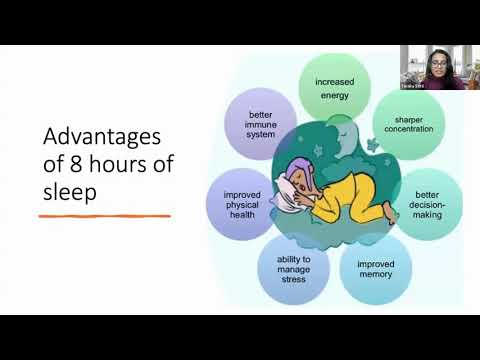
Two communication habits matter just as much. She shares her goals and aspirations with family and friends: "When they understand what you are striving for, they can support you, not compete with your time." (5:00) She also shares her constraints with stakeholders. She does not take calls before 8 a.m. because she needs seven hours of sleep and is not an early riser, and she finds that people appreciate the clarity and see it as a sign of being organized and intentional.
Taking back control of time and energy
The more tactical part of the talk centres on control. Every Sunday, Sheena books two hours to design the following week, checking her schedule and priorities and preparing where needed. "It's all about leading your week and don't let it lead you." (5:37)
She also links mental performance to physical energy. Over the past year she realized she needs some form of workout to function at her best, and even a 15-minute walk on a busy day helps. "So if you are feeling constantly drained, it might not be just your calendar that needs adjusting. It could be your body asking for attention." (6:07)
Finally, she is a believer in what she calls atomic changes: small, consistent actions that stick. Rather than forcing herself into an early riser routine overnight, she is shifting her wake-up time by five minutes each week, which she finds more sustainable than relying on motivation alone.
Doing what matters, with help
Sheena's prioritization rule is quality over quantity. "It's not about how much you could juggle. It's about doing what matters." (7:10) Each quarter she picks three critical impact opportunities and reviews them monthly. Her examples mix personal and professional goals: learning a new song on guitar, doing a speaking engagement, and researching a proposal to improve her site's performance. This purpose-driven list helps her cut other things with intention and without guilt.
Delegation is the next lever. She is not good at house chores, so she made a calculated decision to outsource them and reclaim time for areas where she adds value.
Technology rounds out the toolkit. She uses Google Keep for notes and various AI models for creating content, coding, learning new technologies, summarizing meetings and even planning travel. "Technology can be your personal assistant and helps you scale both work and life more effectively." (8:11) Her closing advice is to review, refine and repeat whatever works for you.
Watch the talk
"Work-Life Integration: The Real Key to Avoiding Burnout in Tech" by Sheena Wadhwa, about 10 minutes: https://www.womentech.net/video/work-life-integration-real-key-avoiding-burnout-in-tech-sheena-wadhwa
About the speaker
Sheena Wadhwa is Senior Director of Engineering and Site Lead at Priceline in Toronto, where she leads engineering teams focused on the website, marketing technology and developer enablement, after a career spanning Europe, Asia and North America. With more than 15 years of software development expertise, she was named one of The Peak's Emerging Leaders of Canada 2024.
Questions this talk answers
- Why does chasing work-life balance often lead to burnout?
- What is work-life integration?
- How can I start integrating work and life day to day?
- How do I take back control of a busy week?
- How should I prioritize when there is too much to juggle?
Drafted with AI from the talk transcript. Editor review pending.