Tech Saves the World: a Space Tech case-study on fighting climate change
 Ekaterina Stambolieva
CEO, Nina Space
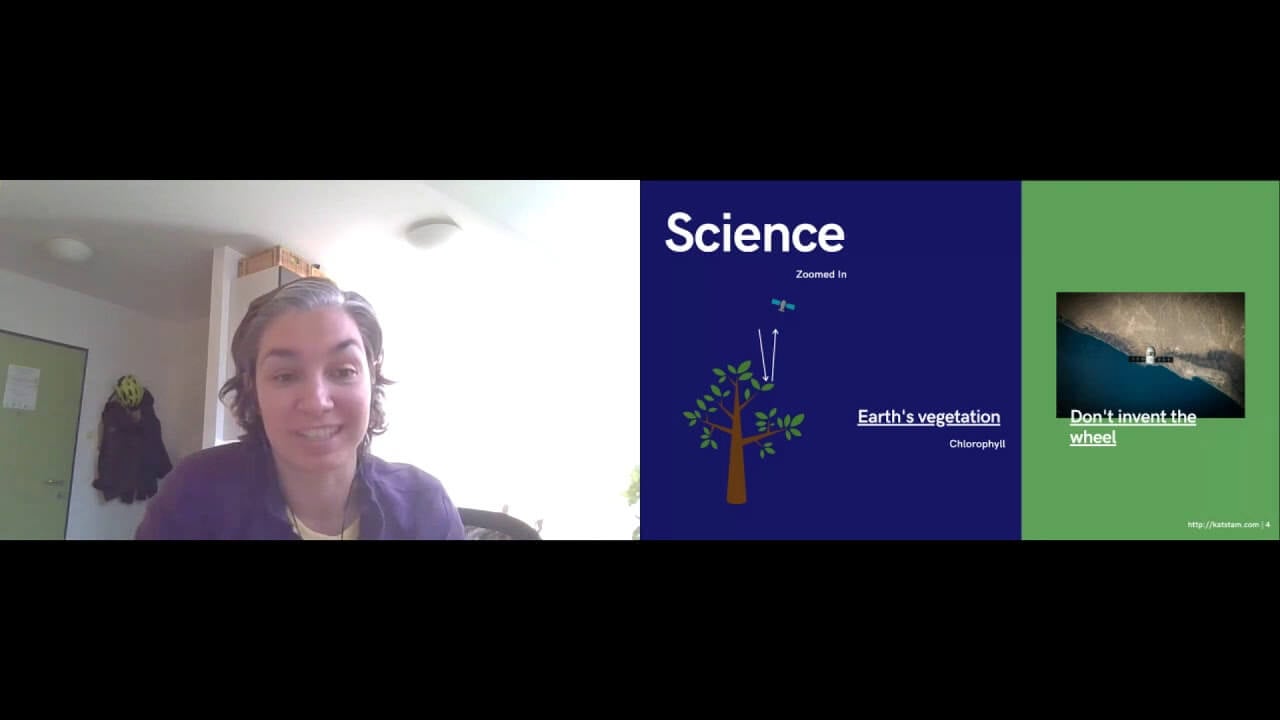
The best way to fight a wildfire is to act before it starts, from orbit
A technology counts as emerging because of its place on the adoption curve, not its age, and ignoring it at that stage can put a business at risk. You will see how satellite data guides wildfire and energy decisions, why 5G needs rebuilt networks and edge computing, and how blockchain scales trust beyond cryptocurrency. Virtual reality, brain-computer interfaces, quantum computing and self-driving safety are covered too. Engineers, founders and business leaders get plain starting points for what to learn next.
89 talks 80 speakers 30 hours 2020 to 2026
Search the whole library
Ekaterina Stambolieva
CEO, Nina Space
The best way to fight a wildfire is to act before it starts, from orbit
 Katherine Mimnaugh
Doctoral Researcher in Virtual Reality and Robotics, University of Oulu, Finland
Virtual nature did not lift mood, but it stopped it from falling
 Katie Hoolahan
Managing Director/Research Manager, Virtually Healthy
VR workouts felt easier than they were, and 90% of participants stuck with it
 Angela del Carmen Fuentes
CEO, Imageryst
Energy companies run on AI yet still send people out to check their assets
 Kimberly Washington
Co-Founder & CEO, Deep Space Biology
Space data matched a five-year, $10 million study in four days
 Lilian Ho
AI Program Director, ZIGURAT Institute of Technology
Buildings now learn from the people inside them, and someone owns that data
Leaves reflect red light and invisible near-infrared radiation, so separating those two bands from an image and plugging them into a simple formula gives a vegetation index for each pixel. Images are taken every one to five days, giving a constantly updated picture.
Tech Saves the World: a Space Tech case-study on fighting climate change, Ekaterina StambolievaBiophilia holds that humans evolved in natural environments and have an innate connection to nature. Attention restoration theory says nature refreshes indirect attention, and stress reduction theory says it triggers a parasympathetic calming response that helps people recover from stress.
Opportunities to Support Mental Health with Virtual Reality Nature Videos, Katherine MimnaughLack of time is the biggest perceived barrier, which usually means exercise is a lower priority. Low motivation, body image concerns, pain, lack of enjoyment, limited access and cost also play a part.
Gamified virtual reality for physical and mental health, Katie HoolahanTheir assets are spread across remote, hard-to-reach areas and decisions rely on site visits and data that is outdated and not comparable. Earth observation monitors large territories consistently with fewer visits.
Harnessing Satellite Imagery for Transforming the Energy Sector: Insights and Applications, Angela del Carmen FuentesIn microgravity, cells form 3D structures instead of 2D and the body ages faster, so diseases are accelerated. That has made the International Space Station a disease laboratory for 25 years.
From Orbit to Impact: Building the Next Frontier in Healthcare R&D, Kimberly WashingtonA space that perceives, learns and responds to the people in it, for example lights that follow you down a corridor or air that adjusts when you seem stressed. Humans still design and program it, but machine learning works behind the scenes on the data it collects.
'When Buildings Begin to Think', Lilian HoBasarkar argues innovation is no longer a luxury but a business imperative, as companies face slow customer growth, rising operational costs and pressure to innovate. She cites analyst views that most companies see innovation as essential for growth.
Shaping the Future: How Emerging Tech is Powering Business Innovation, Sampada BasarkarMoving to production with live users requires architecture for scale, performance and throughput, and many efforts stop because of limited talent or limited budget.
Disruptive Technology & Product Architecture: Innovating at Scale from Code to Strategy, Richa Kumari Namrta SharmaSr. Principal Solutions Engineer, Cadence Design Systems2 talks
 Helen HaiExecutive VP of Binance and Head of Binance Charity, Binance Charity2 talksEkaterina StambolievaCEO, Nina Space1 talkKatherine MimnaughDoctoral Researcher in Virtual Reality and Robotics, University of Oulu, Finland1 talkKatie HoolahanManaging Director/Research Manager, Virtually Healthy1 talkAngela del Carmen FuentesCEO, Imageryst1 talkKimberly WashingtonCo-Founder & CEO, Deep Space Biology1 talkLilian HoAI Program Director, ZIGURAT Institute of Technology1 talk
 Sampada BasarkarDirector, Vodafone1 talk
 Richa KumariTechnical Architect, Product development, Harman, A Samsung Company1 talk
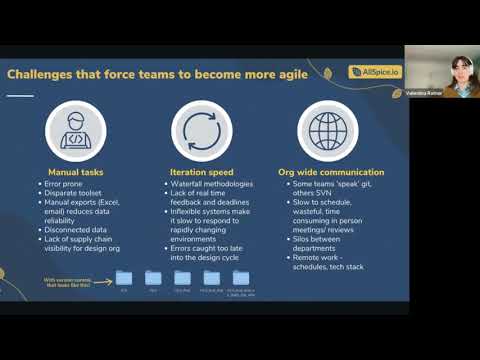
 Valentina RatnerCo-Founder & CEO, AllSpice.io1 talk
 Tilottama GoswamiProfessor, Vasavi College of Engineering1 talk
“But when there is vegetation, almost everything burns. And vegetation is the fuel for wildfires.” Ekaterina Stambolieva, Tech Saves the World: a Space Tech case-study on fighting climate change
“And so even though it was a grainy video that wasn't that realistic, my body had just responded as if I was actually there. And I thought about how powerful that is.” Katherine Mimnaugh, Opportunities to Support Mental Health with Virtual Reality Nature Videos
“A lot of people just don't enjoy exercise. If you don't enjoy it, then you're less likely to engage in it.” Katie Hoolahan, Gamified virtual reality for physical and mental health
Sampada Basarkar
Director, Vodafone
Innovation is no longer a luxury, and emerging tech alone won't deliver it
Richa Kumari
Technical Architect, Product development, Harman, A Samsung Company
Disruptive tech pilots succeed in the lab and stall in production
Valentina Ratner
Co-Founder & CEO, AllSpice.io
Hardware teams now move three times faster with the same old tools
Tilottama Goswami
Professor, Vasavi College of Engineering
Without computer vision, augmented and virtual reality cannot exist
 Richa Daga
Software Engineer, Cisco
Half a second of lag is fine for video, fatal for an industrial robot
 Zara Zamani
Chief Solutions Officer, ChromaWay
The real promise of blockchain isn't crypto, it's scaling trust
 Ece Kubilay
Software Engineer for Blockchain & DLT, Fujitsu TDS
A confused classroom turned into a blockchain career at Fujitsu
 Cristina Baldi
Blockchain Manager and Trainer, Blockchain Era
Why blockchain may matter more to a small food maker than to a multinational
 Hanane Lamaazi
Post-Doctoral Fellow, Khalifa University
One central cloud is too slow, too costly and blind to Bluetooth devices
 Khalida DOUIBI
Data scientist & PhD Biomedical Informatics, Capgemini Engineering
The hardest part of brain-computer interfaces may be human acceptance
 Athulya Valsaraj
Senior Engineer, Transportation Unit, Tata Elxsi
Driver assistance is not automation, and the gap decides who is in control
 Ananya Ayasi
Student, College of Engineering Trivandrum
Quantum computers could break the encryption most secure data relies on
 Palak Talwar
Senior Safety Engineer, Lyft, Self Driving Division
An autonomous car can have zero failures and still be unsafe
 Aviv Danenberg
EU Field Marketing Manager, Synopsys
A leaking venue at her first big Synopsys event and the rule she now plans by
 Sreeja Nair
Director, Product Management, Qualcomm
AI can't scale on the cloud alone, so Qualcomm is putting it in your router
 Tetiana Aleksandrova
Founder and CEO, Subsense
A brain interface that enters through the nose, with no surgery
 Alison McCauley
Chief Advocacy Officer, Unfinished
Crypto's headlines miss the technology that could hand web value back to users
 Alex Pryor
Head of Digital Innovation, EOH
Your next customers already think emerging tech is just tech
 Neda Cvijetic
SVP - Head of AI & Autonomous Driving
A legacy carmaker wants you to download self-driving just for the weekend
Why Stellantis is putting one AI brain inside every vehicle it builds
 Sofie Blakstad
CEO, hiveonline
Women farmers' savings groups run on trust that no lender can see
 Rajashree Maheshwary
Executive Partner
Technology now outpaces our expectations, so we have to invent new ones
 Vivian Chan
Global Head of Digital Sales, NexTech AR Solutions
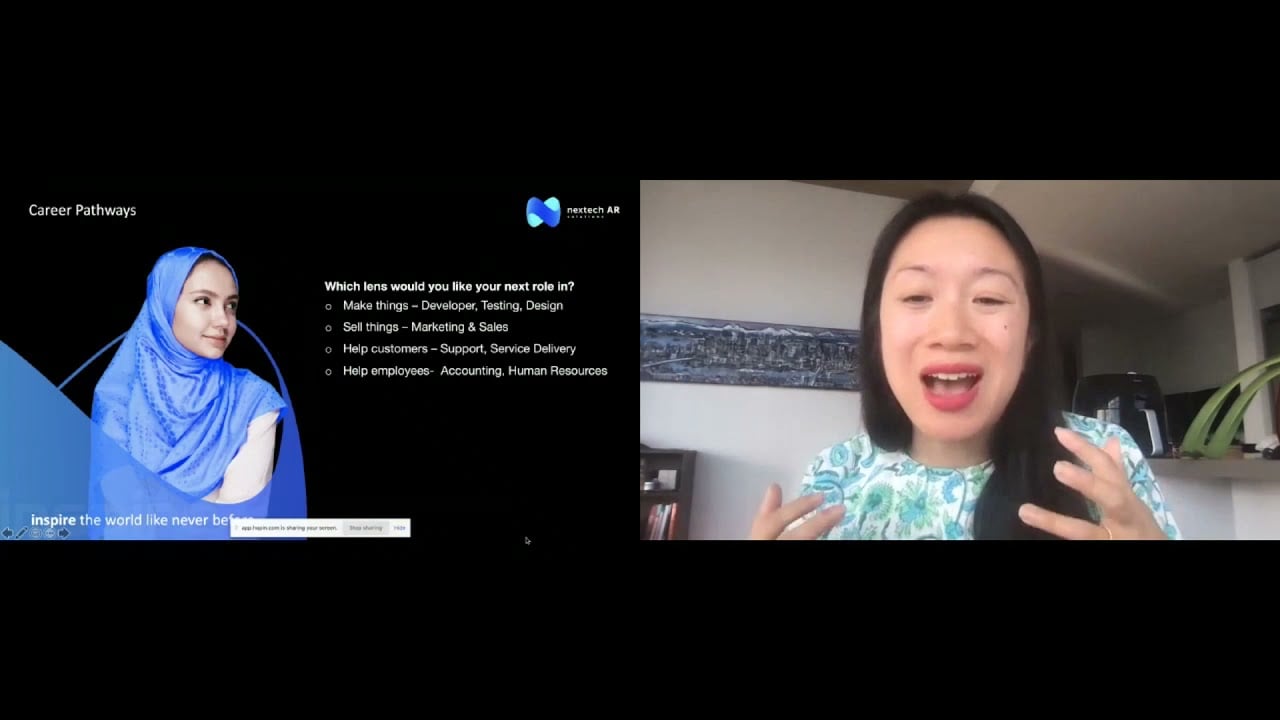
A vitamin brand's talking hologram drove five times the repeat purchases
 Teena Idnani +1
Principal Engineer, Investec
A bank can't build a quantum computer, so Investec rents one by the job