Building Tech in Regulated Industries Without Slowing Innovation
 Chiddy Onyia
General Counsel / Founder, Agnes Health
Leaving privacy until launch is a risk regulated tech teams can no longer take
How do you protect systems, data and people when attackers use AI, deepfakes and your own staff's inboxes as a way in? Security leaders, engineers, founders and legal teams will find practical guidance on governance, risk metrics and compliance. Other talks cover defenses from identity controls and zero trust to DevSecOps pipelines and network telescopes, plus protecting personal data through data mapping, honest consent and trust-first workplace policies.
73 talks 68 speakers 26 hours 2020 to 2026
Search the whole library
Chiddy Onyia
General Counsel / Founder, Agnes Health
Leaving privacy until launch is a risk regulated tech teams can no longer take
 Sayali Paseband
Advisor, Cybersecurity Engineering, Verisk
Cloud security runs on trust, and trust can fail
 Mary Giardina
Operations Director, The Support Source
Hackers no longer break into networks, they log in with your people's data
 Kim Chandler McDonald
Global VP, Cybersecurity Advisors Network (CyAN)
Some of tech's most dangerous decisions come from people who mean no harm
 Alexandra Weaver
Solution Engineer, Netwrix
A 25-year-old identity store still holds the keys to the kingdom
 Madhura Chaganty
Engineering Manager, Elliptic
A crypto wallet holding just $117 can still hide dark market money
Privacy is usually considered only at launch or go-to-market, while consumers are becoming more sophisticated and regulations more stringent, so regulation needs to be embedded while the product is being built.
Building Tech in Regulated Industries Without Slowing Innovation, Chiddy OnyiaIt is centralized with a single point of failure, scales poorly as organizations grow, and is reactive, responding only after the damage is done.
Redefining Cloud Security with the Power of Blockchain and AI, Sayali PasebandAI lets attackers run tens of thousands of intrusions at once, so smaller targets become profitable, and many SMBs still lack practices enterprises adopted long ago. As the speaker cited, 46% of attacks now hit SMBs.
Leading the Human Firewall: Outsmarting the Biggest Cyber Threats, Mary GiardinaOften smart, well-meaning teams optimizing engagement, convenience or personalization, not villains or hackers. Harm becomes normalized through small steps like collecting a little too much data or granting a little too much access.
Designing Technology That Doesn’t Hurt People: Cyber Lessons for a Safer Digital Future, Kim Chandler McDonaldThe perimeter is now anywhere, anytime and on anything, so identity has become the control plane. Employees, vendors, contractors, customers and service accounts all need protecting.
Protecting Identity, Alexandra WeaverDecentralized networks have no central authority to reverse transactions, and wallets are just strings of characters, so funds are hard to trace.
From Rug Pulls to Honeypots: Strengthening Cybersecurity in Decentralized Networks, Madhura ChagantyIt speeds up data analysis and correlation, for example in a SIEM, so analysts can decide quickly what is relevant and respond faster.
Cybersecurity and AI - Opportunities, Risks and Impacts, Dasha DaviesIt is a cognitive bias where the first piece of information received is given greater weight than later information, even when the later information is more detailed and authoritative.
Mitigating the Impact of Anchor Bias in Cyber Security Planning, Barbara Vibbert Priya MouliDirector, Technology Risk Advisory, KPMG2 talks
 Onur KorucuSr. GRC, Data Protection and Cyber Security Manager, Avanade2 talksChiddy OnyiaGeneral Counsel / Founder, Agnes Health1 talkSayali PasebandAdvisor, Cybersecurity Engineering, Verisk1 talkMary GiardinaOperations Director, The Support Source1 talkKim Chandler McDonaldGlobal VP, Cybersecurity Advisors Network (CyAN)1 talkAlexandra WeaverSolution Engineer, Netwrix1 talkMadhura ChagantyEngineering Manager, Elliptic1 talk
 Dasha DaviesCISO, Stealth - ISS Group Inc.1 talk
 Barbara VibbertManager, Solutions Engineering, SonicWall1 talk
 Lauren Hendry ParsonsHead of Communications (Global), and Digital Rights Advocate, ExpressVPN1 talk
 Anu KukarAssociate Partner Cybersecurity - IBM Australia & NZ1 talk
“And so it is absolutely important that regulation is embedded in the process while the product is being built.” Chiddy Onyia, Building Tech in Regulated Industries Without Slowing Innovation
“And today the security of the cloud is built on trust, but trust can fail.” Sayali Paseband, Redefining Cloud Security with the Power of Blockchain and AI
“Hackers used to break into the networks. Now they just simply log in because they managed to get our data.” Mary Giardina, Leading the Human Firewall: Outsmarting the Biggest Cyber Threats
Dasha Davies
CISO, Stealth - ISS Group Inc.
On a deepfake video call, the finance employee was the only human
Barbara Vibbert
Manager, Solutions Engineering, SonicWall
Your last breach may be quietly steering your whole security budget
Lauren Hendry Parsons
Head of Communications (Global), and Digital Rights Advocate, ExpressVPN
Employers monitor staff to boost productivity, and productivity falls
Anu Kukar
Associate Partner Cybersecurity - IBM Australia & NZ
Security is the lens most emerging tech pilots forget to look through
 Char Howland
Software Engineer, Indicio
Proving your age should not mean handing over your height and eye color
The most important privacy control can be an Excel spreadsheet
Most emerging tech pilots weigh cost and customers, but forget security
Priya Mouli
Director, Technology Risk Advisory, KPMG
Cyber risk is still treated as a sledgehammer, called in only after a breach
 Julia Lake
Director, Security Assurance, GitLab
GitLab's security team publishes its policies instead of hiding them
 Naga Sujitha Vummaneni
Sr. Security Engineer, Ripple
Blockchain security assumed an attacker who sleeps, and AI agents never do
 Priya Mouli
CISO, University of Alberta
Attackers can move in 27 seconds while security budgets stay lean
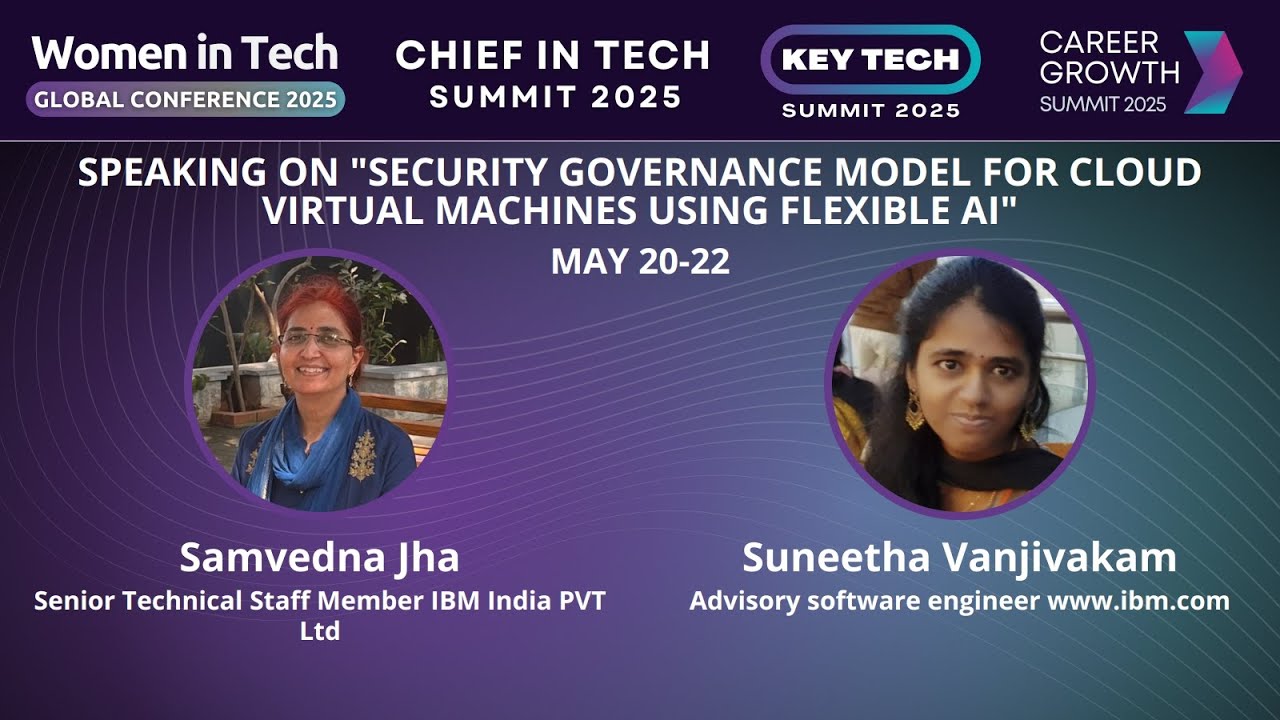
 Samvedna Jha +1
Senior Technical Staff Member, IBM India PVT Ltd
AI security doesn't come free, so stop running it on every cloud VM
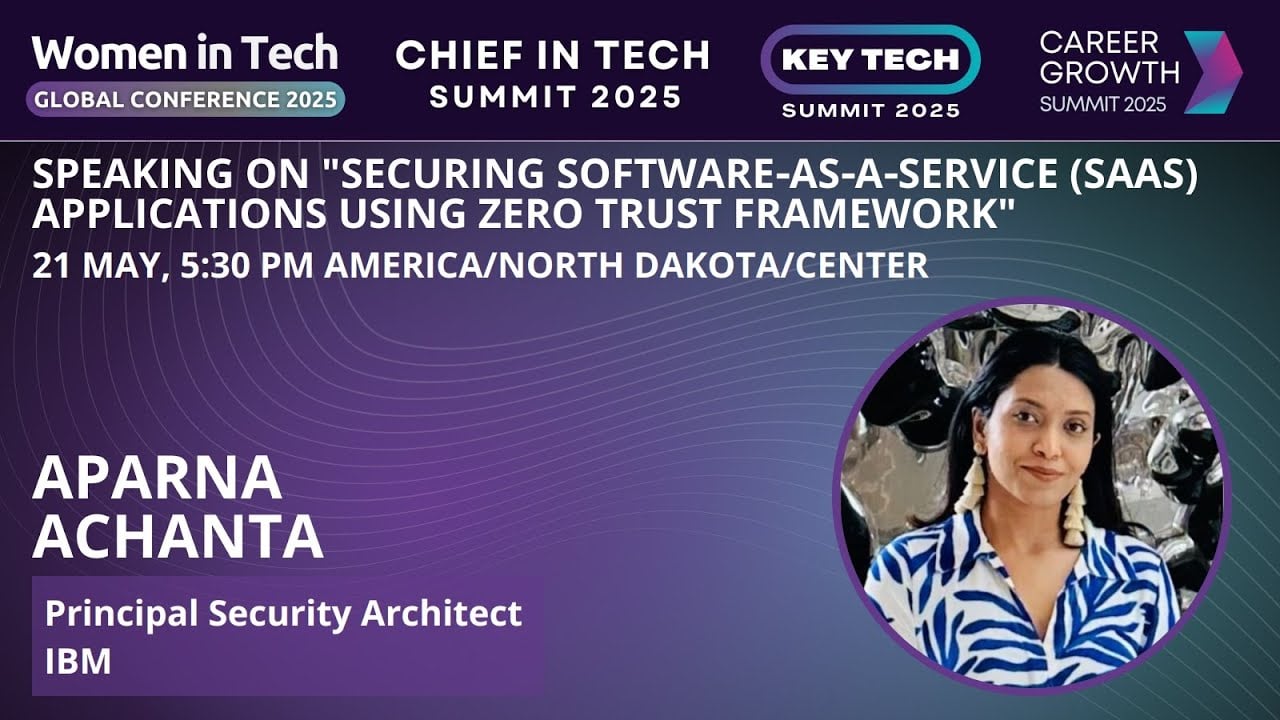
 Aparna Achanta
Principal Security Architect, IBM
Passing the firewall should not unlock every other app on your network
 Shereen Ismail
Research Scientist, Merit Network, Inc.
No legitimate host lives at 500K IP addresses, yet they get 41.5K packets a second
 Bindi Davé
Deputy CISO, DigiCert
Every bank login rests on two layers of trust most users never see
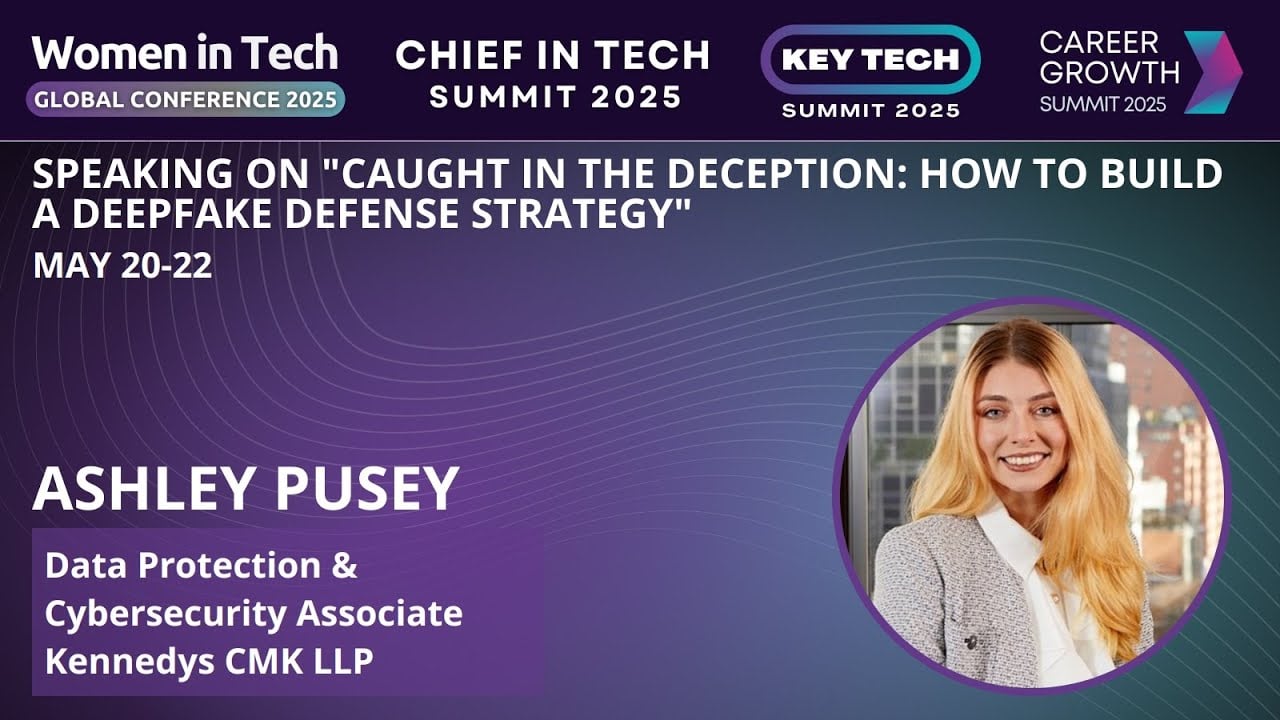
 Ashley Pusey
Data Protection & Cybersecurity Associate, Kennedys CMK LLP
Deepfakes turn a CEO's authority into an attacker's best weapon
 FNU Chitralekha
Staff Software Engineer, Sonet IO
Checking a file's name is not security: the real risk sits inside the file
 Raksha Vashishta
Product Owner, VERRA Mobility
A deepfake CFO on a video call talked an employee out of 20 million pounds
 Daniela Barbosa
General Manager of Decentralized Technologies & Executive Director of LF Decentralized Trust, Linux Foundation
Your own eyes can no longer tell you what is real online
 Siham Benhamidouche
VP cybersecurity and data risk, Digital Customer Relation, Schneider Electric
A single IT compromise can now put lives, and leaders, at risk
 Jessica Rangel
Senior Devops, Workday
Workday chose to build its own certificate authority, not buy one
 Sophia Priyadarshini
Customer Success Growth Manager, InstaSafe
Trust is the one vulnerability that is also an exploit technique
Onur Korucu
Sr. GRC, Data Protection and Cyber Security Manager, Avanade
Cyber insurance won't make you more secure, and that is the point
 Jarell Oshodi
Deputy Chief Privacy Officer, Centers for Disease Control & Prevention (CDC)
Data you no longer need is privacy risk you are choosing to keep