The Next Generation of Climate Innovation: Why Gen Z Is Rewriting the Sustainability Playbook
 Molly Rizkallah
CEO, Cincy Carbon
Gen Z grew up with climate anxiety and is turning it into startups
People find belonging, skills and influence when they gather around a shared purpose, but groups that last need structure, volunteers and trust. The angles are practical: growing a women's group or employee resource group from a coffee chat or survey into a company-backed network, contributing to open source without writing code, organizing around a shared cause, and replacing transactional networking with reciprocal relationships. Founders of internal groups, open source newcomers and anyone who wants a wider, more supportive circle will find usable steps here.
59 talks 50 speakers 23 hours 2020 to 2026
Search the whole library
Molly Rizkallah
CEO, Cincy Carbon
Gen Z grew up with climate anxiety and is turning it into startups
 Stefana Fratean +1
Engineering Team Lead, Ocado Technology
Ocado's women in tech community went from lunch chats to a 16-member committee
 Chara Gravani +1
GenAI Architecture and Engineering Manager, AWS
Good intentions went nowhere until two architects wrote the plan down
 Katelyn Falk
Principal Security Technical Program Manager, Zoom
You don't need a budget to start a women in tech ERG, you need time
 Olha Boiko
VP Brand & Communications, Innovecs
Skip the wellness month: build well-being employees actually run themselves
More people outside Jane Street now contribute to Dune than inside it
According to Rizkallah, Gen Z blends purpose with pragmatism: it is skeptical of greenwashing and wants transparent, measurable results that deliver both impact and profit.
The Next Generation of Climate Innovation: Why Gen Z Is Rewriting the Sustainability Playbook, Molly RizkallahA community is a group of women and allies who come together to support, empower and advocate for gender equity. The committee is a subset of that group that acts as the leadership team, organising and running initiatives.
The impact of women communities in tech organisations, Stefana FrateanWrite the idea down as a plan with a mission, audience, execution approach and clear asks to leadership, then use it to gain sponsors and review it every year.
The Espresso Shot That Launched a Community of Thousands, Chara GravaniNo. Falk says time is the biggest resource at the start, and the video conferencing, calendar and email tools you already use for work are enough to get going.
Create Your Space in Technology: four steps to create an employee resource group, Katelyn FalkStart with research into what people value, for example surveys of needs, hobbies and passions. Innovecs used this to focus on physical, mental, social and financial well-being.
Well-being as a Lifestyle: How to Assure Employees Health & Happiness As A Leader, Olha BoikoMinsky says a healthy ecosystem gives the firm outside software to use, makes its main language attractive to recruits, and encourages external tools to integrate with its code.
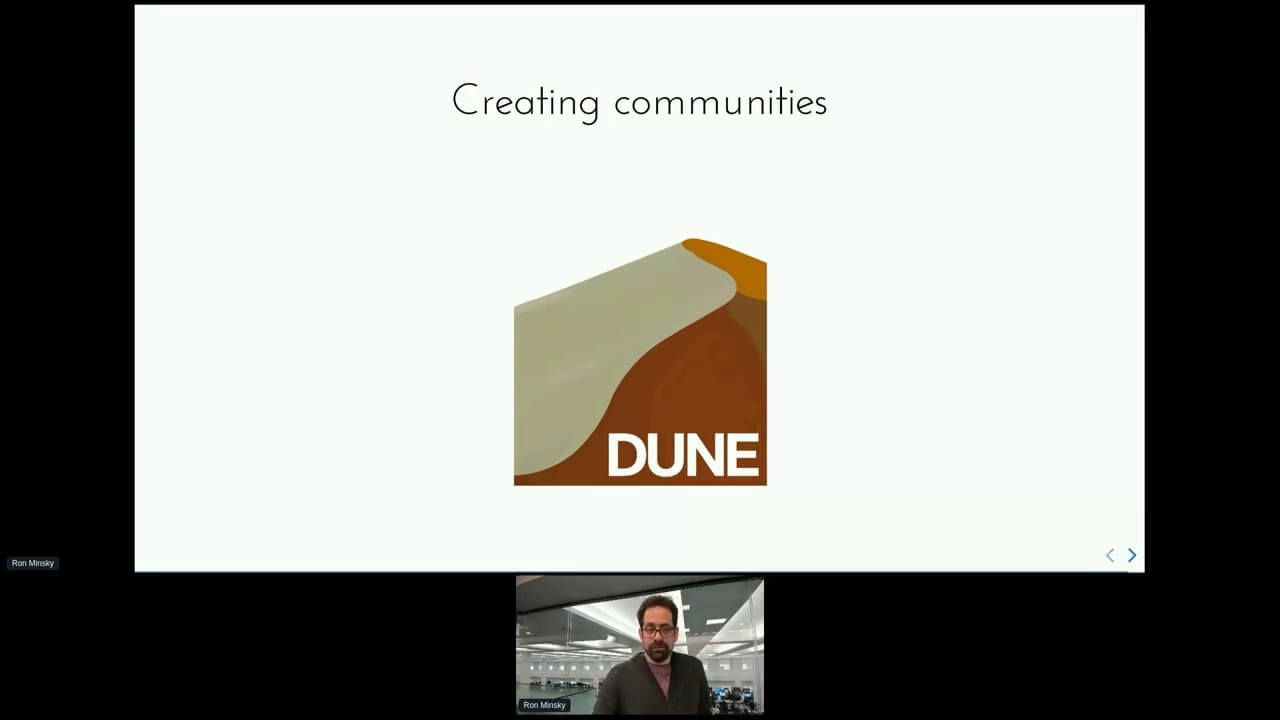
Consuming, Contributing, Collaborating: Open Source from all sides by Ron MinskyMeadows suggests sharing hobbies like wine, baking or reading by starting a Slack channel or club and becoming the leader of that community within your company.
Channeling Passion to Drive Success, Lara MeadowsNo. AmyJune lists documentation, READMEs and how-to guides, linting and coding standards, unit tests, design, marketing, user experience and accessibility testing, and translations as valuable contributions.
Finding a Niche in Open Source Contributions, AmyJune HinelineMolly RizkallahCEO, Cincy Carbon1 talkStefana FrateanEngineering Team Lead, Ocado Technology1 talkChara GravaniGenAI Architecture and Engineering Manager, AWS1 talkKatelyn FalkPrincipal Security Technical Program Manager, Zoom1 talkOlha BoikoVP Brand & Communications, Innovecs1 talk Lara MeadowsVP, Sales Engineering1 talk
 AmyJune HinelineSenior Community Manager, Opensource.com at Red Hat1 talk
 Divi GranadenoSoftware Developer1 talk
 Pooja TejuraSenior Director of Engineering, Walmart Global Tech1 talk
 Esmeralda TijhoffOpen Source Community Manager and Product Owner, DICTU1 talk
 Bo English-WiczlingSenior Director, Head of DB DevRel, Oracle1 talk
 Ronit Bohrer HillelVP of Engineering/Career Coach, ex Smartsheet, ex Amazon1 talk
“So, um, again, our mindset kind of blends purpose with pragmatism.” Molly Rizkallah, The Next Generation of Climate Innovation: Why Gen Z Is Rewriting the Sustainability Playbook
“And what we wanted to show really with this exercise is that unconscious bias starts at an early age.” Stefana Fratean, The impact of women communities in tech organisations
“And that passion and that conversation stayed there for a while until the moment where we realized that pretty much a good intention was not going to drive us anywhere.” Chara Gravani, The Espresso Shot That Launched a Community of Thousands
Lara Meadows
VP, Sales Engineering
Your hobbies can win you visibility with leadership
AmyJune Hineline
Senior Community Manager, Opensource.com at Red Hat
A hospice nurse who found code wasn't for her became a Drupal core mentor
Your hobbies, from baking to wine, can earn you visibility at work
A trading firm's build tool now has more outside contributors than inside
Two part-time people can exceed one full-time job, argues a job sharing founder
Divi Granadeno
Software Developer
Volunteering is where hidden talents surface, not a task to tick off
Pooja Tejura
Senior Director of Engineering, Walmart Global Tech
When AI agents do the shopping, retailers will compete on trust
Esmeralda Tijhoff
Open Source Community Manager and Product Owner, DICTU
In government she would get a no; in open source she just built it
Bo English-Wiczling +1
Senior Director, Head of DB DevRel, Oracle
An Asian ERG grew to 6,500 members at Oracle, built in spare time
Ronit Bohrer Hillel
VP of Engineering/Career Coach, ex Smartsheet, ex Amazon
She gave 30 to 40% of her time to DEI work and her managers rarely noticed
 Martha-Isabel Estupiñán
Executive Director, Tribu Evolución
She worked in tech for years without coding, until a volunteer tribe taught her
 Miona Aleksic +3
Product Manager
Open source needs contributors who never write a line of code
 Helen Hai
Executive VP of Binance and Head of Binance Charity, Binance Charity
Of 100 euros donated abroad, only 25 reach the people who need them
 Mehreen Najm
Full-Stack Developer
The Taliban banned girls' schools, so Afghan developers built classrooms online
 Carmen Leiser
Director/CEO, Movi Collective
If every close tie leaves you drained, the problem is the system, not you
 Jessica Fredican
Fractional Chief Product Officer, Digital Citizen
Introverts don't need to love small talk to build a network they love
 Stephanie Levy
General Manager DACH, Inspera AS
A coding school with no teachers is outpacing tech's gender ratio
 Jenny Strauss
Sr. Director, Employee Experience and DE&I, Demandbase
Expelled at 15, she now builds culture by asking leaders to be real
 Kelly C. Huang
Executive/Leadership Coach, CoachKellyHuang.com/888
Asian American women hold 1.8% of C-suite roles despite top degrees
 Erin Brockovich
Consumer Advocate and Environmental Activist, Brockovich Research and Consulting
A dyslexic kid told she was different grew up to expose a toxic cover-up
 Sharifah Amirah
Chief Client Officer, Intent HQ
How four volunteers turned a minus-four diversity score into 26
A diversity score of minus four rose to 26, led by a committee of four
Great work alone won't get you promoted, and a mentor can tell you why
 Darien Maples
Managing Director, Girls in Tech Dallas
No tech degree, no mentor: how a sales hire built a cybersecurity career