How AI is going to solve the Biological Transition Navigation for Women
 Shalvi Singh
Senior Product Manager, Amazon
Normal test results, months of brain fog: where women's healthcare falls short
You don't need a data science degree to read numbers critically and act on them. Speakers explain machine learning and AI in plain terms and show how organizations build curious, insight-driven cultures. They also reveal what population averages and missing groups hide in healthcare and AI. Managers, product people and career changers will find practical frameworks for asking better questions of the numbers in front of them.
41 talks 34 speakers 14 hours 2020 to 2026
Search the whole library
Shalvi Singh
Senior Product Manager, Amazon
Normal test results, months of brain fog: where women's healthcare falls short
 Hazal Muhtar
Senior Director of Analytics, Wise
Why mailing free cards to customers failed, and what data-driven really means
 Cindy Lin
Product Management and Data Strategy Consultant, Cindy Lin Consulting
Crime statistics measure enforcement, not crime: what else does your data hide?
 Vatsala Sarathy
Managing Director, Finance and Technology, Stanford Graduate School of Business
Cleaning up the data left Stanford's team data rich and insights poor
 Neta Gotlieb
Lead Research Scientist, ŌURA
Women are not just small men, and wearables are starting to notice
 Alka Pandey
Manager Data Scientist, Schneider Electric
The sexiest job of the 21st century is a bad reason to switch careers
Healthcare focuses on static moments and single-point measurements, while transitions unfold gradually over years. The speaker cites an average delay of three to four years in recognizing perimenopause.
How AI is going to solve the Biological Transition Navigation for Women, Shalvi SinghIt is a cultural shift that prioritizes insights in problem-solving and decision-making, and operationalizes iterative learning about where problems and solutions went right or wrong.
Moving Past the Buzz: Cultivating a Truly Data-Driven Organization, Hazal MuhtarA data culture is the infrastructure, processes and practices around how data is used to make decisions. A strong one supports decisions that are made faster and achieve the intended outcomes.
Modeling an Ethical Data Culture, Cindy LinSarathy's theory is that centralizing data collection took away the curiosity of staff who used to pull and examine data themselves. People now depend on IT not only for data but also for insights.
Data-curious: How to create a data-driven culture in your organization, Vatsala SarathyAs the speaker cited, women given the same drug doses as men had higher blood concentrations and slower elimination, with worse side effects in 90% of cases. Conditions such as sleep disordered breathing and heart attacks are also underdiagnosed or misdiagnosed in women.
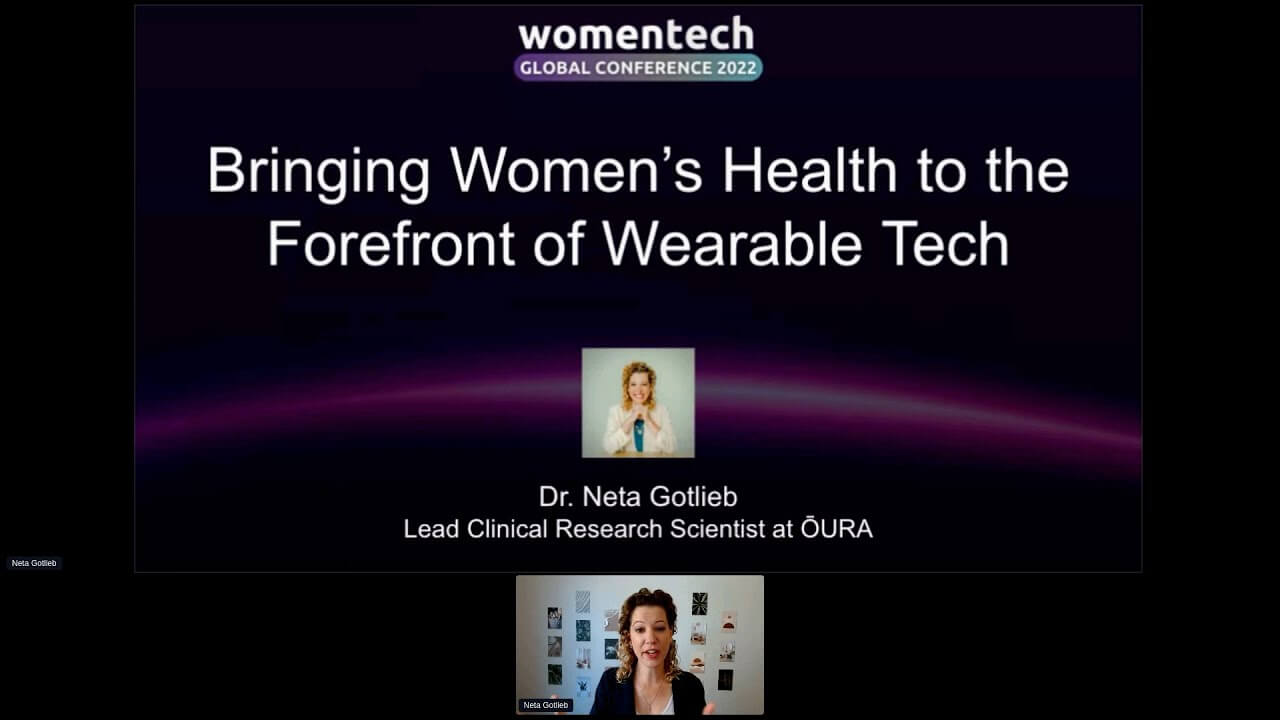
Bringing Women’s Health to the Forefront of Wearable Tech, Neta GotliebPandey treats them as essentially the same: any way of deriving meaningful information from data for stakeholders, from business intelligence to data mining, falls under data science. What has evolved is that machine learning and AI are now part of it.
De-Mystifying Machine Learning and Artificial Intelligence, Alka PandeyAn MIT team used the Mirai model, feeding several mammogram views through an image encoder and combining them with the patient's history in the Tyrer-Cuzick model, to predict breast cancer five years before it developed.
AI Powered Innovations in Healthcare: Real World Applications and Benefits, Aarohi TripathiAs the speaker cited, data centers take about 1.5% of global electricity consumption, projected to double to 3% in five years. Most growth in electricity demand comes from industries such as automotive, chemicals, steel, food and paper.
Does Your Prompt Harm the Planet? Exploring Generative AI's Environmental Impact, Kara Kennedy Marjory Da Costa AbreuSenior Lecturer, Sheffield Hallam University2 talks
 Precious KolawoleData Scientist/ Machine Learning Engineer, Lendsqr2 talks
 Patrice CaireConsulting scientist, writer and Ethical-AI advocate2 talksShalvi SinghSenior Product Manager, Amazon1 talkHazal MuhtarSenior Director of Analytics, Wise1 talkCindy LinProduct Management and Data Strategy Consultant, Cindy Lin Consulting1 talkVatsala SarathyManaging Director, Finance and Technology, Stanford Graduate School of Business1 talkNeta GotliebLead Research Scientist, ŌURA1 talkAlka PandeyManager Data Scientist, Schneider Electric1 talk
 Aarohi TripathiLead Data Engineer, CVS Health1 talk
 Kara KennedyPrincipal, AI Literacy Institute1 talk
 Stephanie TangFounder, CEO, The Percentage Project1 talk
“Think of it like GPS, but only for your health transition. You know where you are, where you're going, and the best route to get there with minimal disruption.” Shalvi Singh, How AI is going to solve the Biological Transition Navigation for Women
“What we really actually talk about is this cultural shift and understanding within the organization that prioritizes insights in problem-solving and in decision-making.” Hazal Muhtar, Moving Past the Buzz: Cultivating a Truly Data-Driven Organization
“If you think about it, crime statistics are a measure of enforcement, not of crime.” Cindy Lin, Modeling an Ethical Data Culture
Aarohi Tripathi
Lead Data Engineer, CVS Health
An MIT model flagged breast cancer five years before the disease appeared
Kara Kennedy
Principal, AI Literacy Institute
Your ChatGPT question uses less than your Netflix and Zoom habits
Stephanie Tang +1
Founder, CEO, The Percentage Project
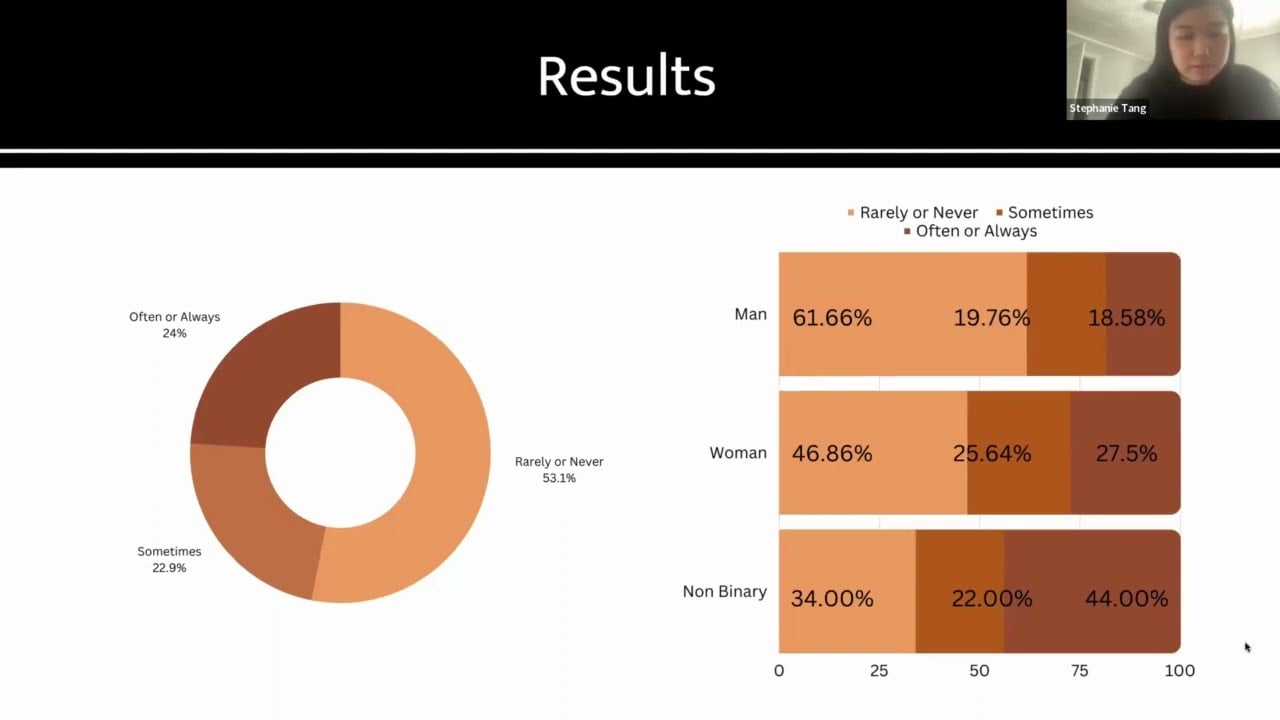
The students told their success is unfair are the ones least represented
Over 85% of siloed data science projects failed, and AI grew from the fix
 Jennifer Glenski
AI and Machine Learning Practice Lead, IntelliDyne
Chocolate, Kubernetes and the US Army: a quick-fire quiz on tech trends
 Claudia Natasia
Co-Founder and CEO, Riley AI
Your dashboards show you the churn only after the customer has left
 Jyoti Shah
Director of GenAI Applications Development, ADP
Workforce AI will be judged on trust, not only on technical capability
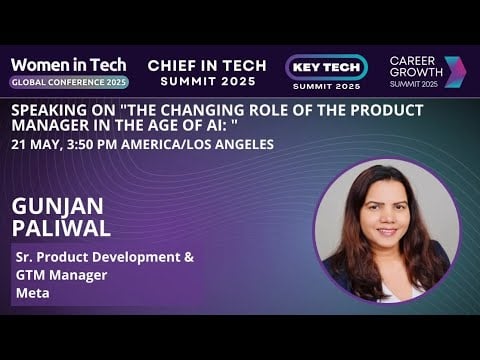
 Gunjan Paliwal
Sr. Product Development & GTM Manager, Meta
AI won't replace product managers, but it will widen the gap between them
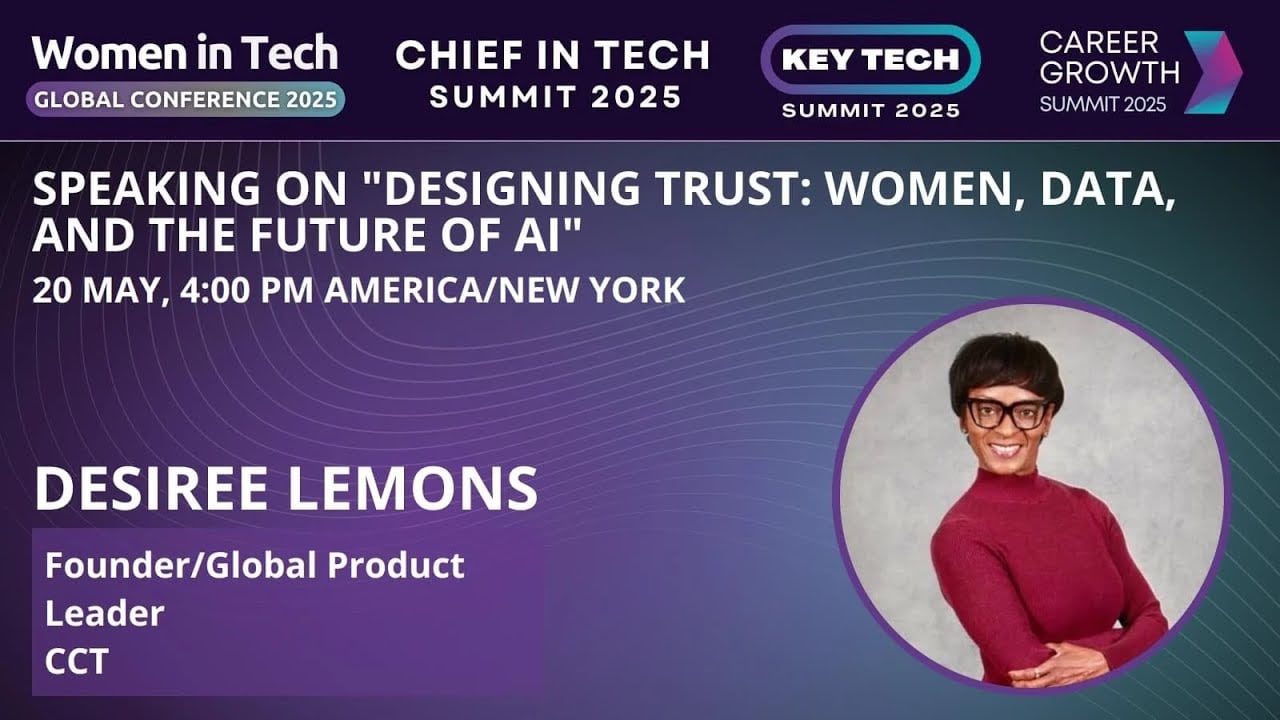
 Desiree Lemons
Founder/Global Product Leader, CCT
Why an awkward granny square beat a perfect one, and what it means for AI
 Jyotika Singh
Director of Data Science, Placemakr
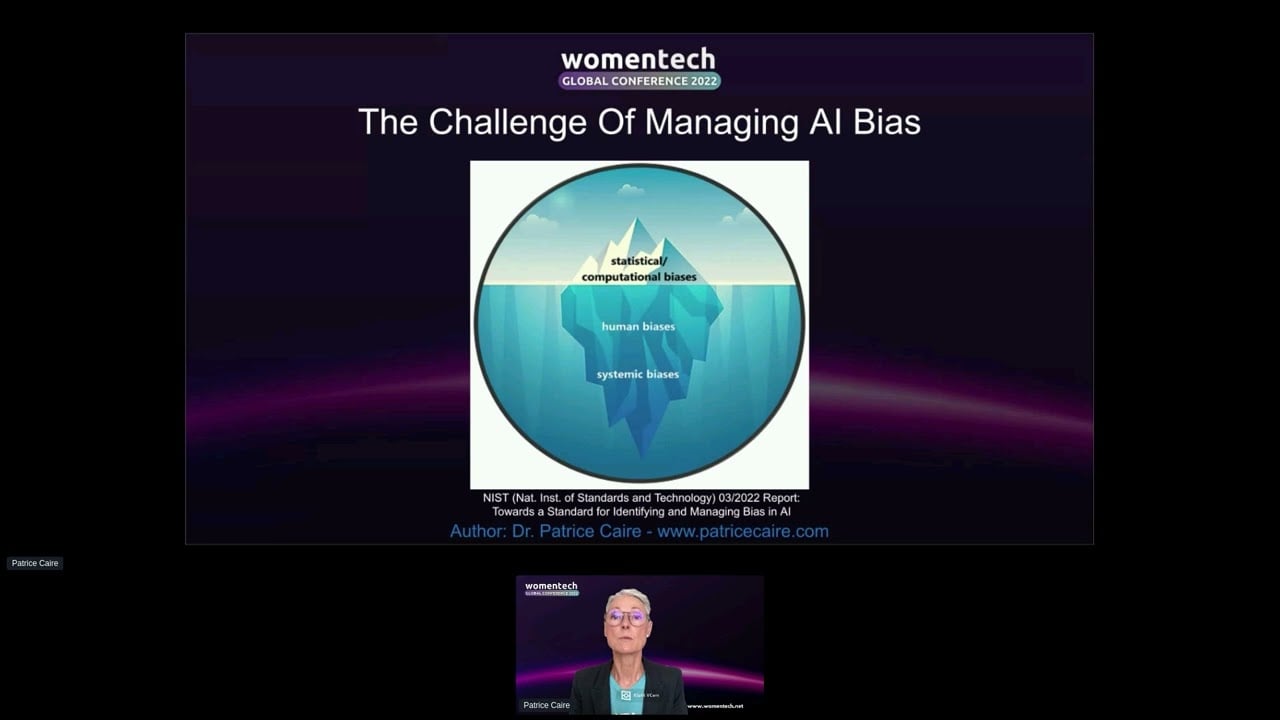
Computers are not impartial: AI learns the biases already in its data
A job ad her 60-year-old friend never saw shows how AI hides its bias
 Kariz Matic
CEO, The Matic Inc
Adding support staff made resolution times worse, not better
 Aparna Krishna Bhat
Senior Analyst, EY
Biased training data turns into biased financial decisions
 Stacy Salvi
VP Strategy, Movano Health
Sent home for a panic attack, she actually had meningitis
 Sowmya Kumar +3
Moderator | Senior Data Scientist, Microsoft
Equal pay data at GoDaddy hid a promotion gap for women
 Lorrayne Porciuncula
Executive Director, Datasphere Initiative
Data is not oil, and the gold-rush mindset keeps its value locked away
 Patricia Gestoso
Inclusion Strategist & Founder, Patricia Gestoso Consulting
AI that fights climate change also burns energy and underpays hidden workers
Self-driving cars learn from images tagged for under a dollar an hour
Marjory Da Costa Abreu
Senior Lecturer, Sheffield Hallam University
Default AI settings can hide bias behind high accuracy scores
Marjory Da Costa Abreu
Senior Lecturer, Sheffield Hallam University
A high-accuracy AI model can still fail whole groups of people
Precious Kolawole
Data Scientist/ Machine Learning Engineer, Lendsqr
Why a child who avoids a hot stove is doing machine learning
Precious Kolawole
Data Scientist/ Machine Learning Engineer, Lendsqr
A burned hand at a candle explains machine learning better than jargon
 Asma Syeda
Sr Product Manager, AMA
Her AI risk engine was scrapped mid-build over one data category
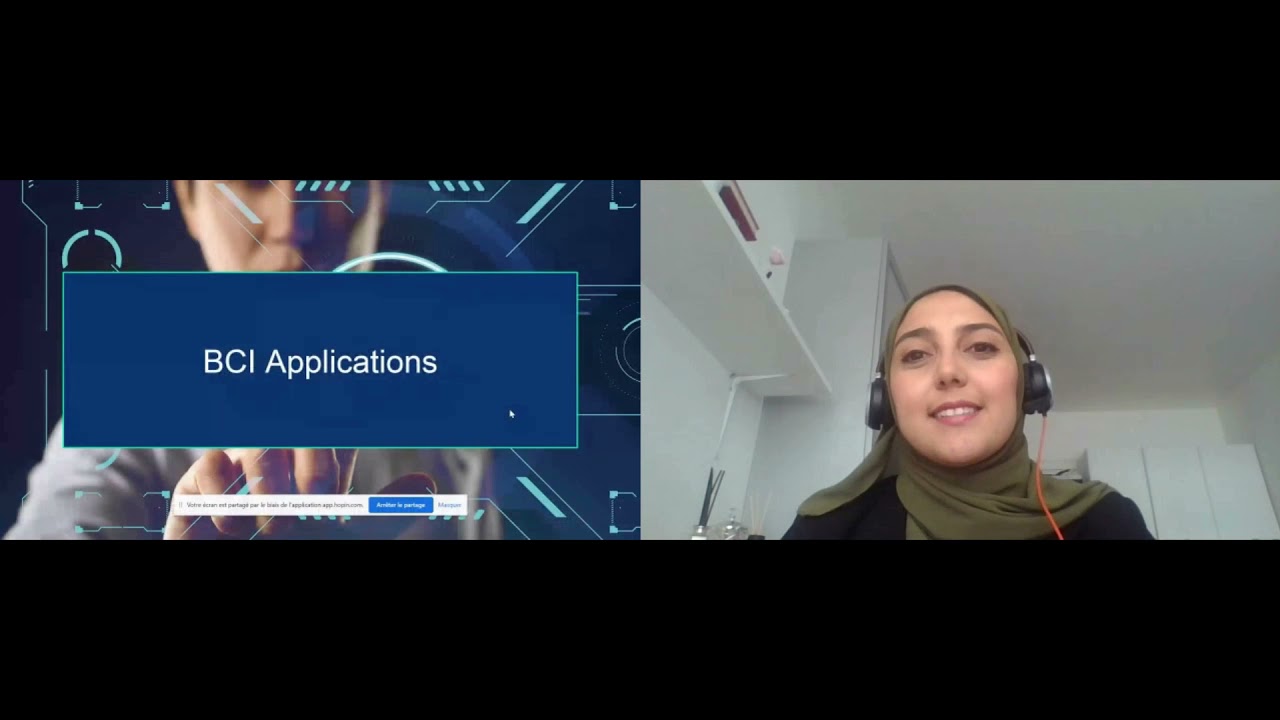
 Khalida DOUIBI
Data scientist & PhD Biomedical Informatics, Capgemini Engineering
The hardest part of brain-computer interfaces may be human acceptance