Field Notes on Building Non-Extractive Consumer AI: Trust + Early Validation
 Erin Dahl
Founder, Co Labs
People trust academics over AI companies, so this founder brought them in
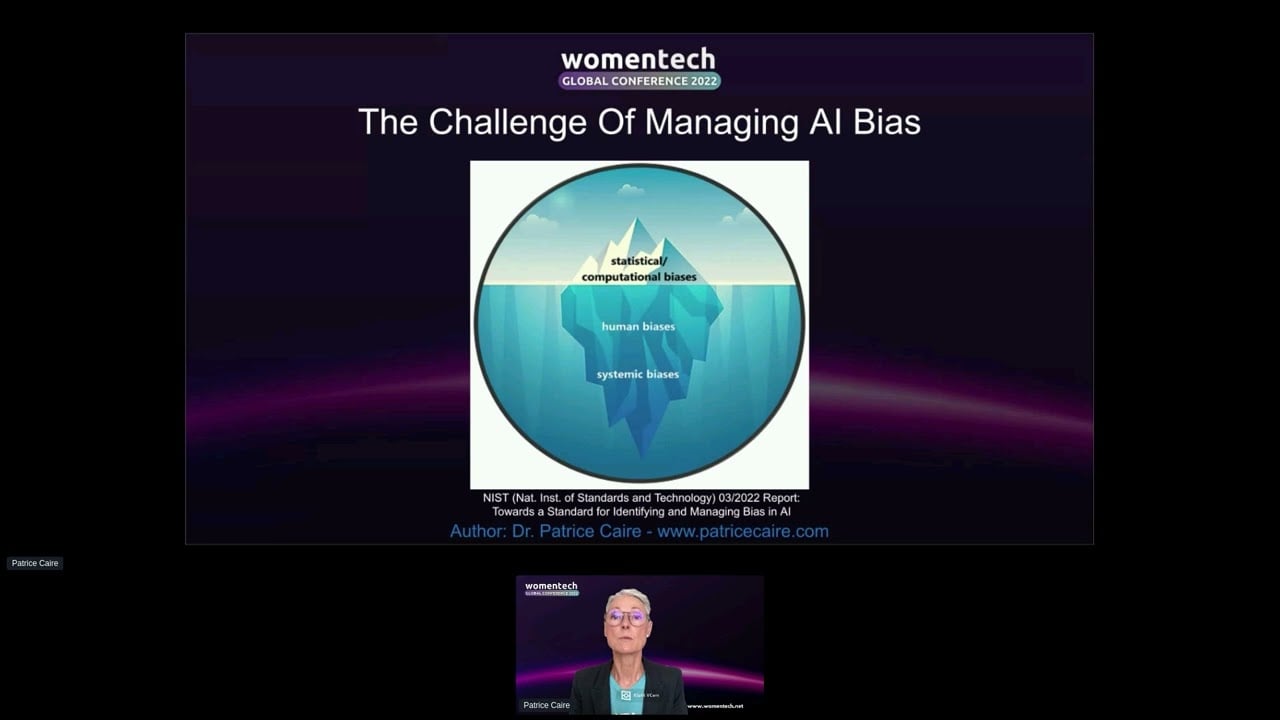
Much of the harm from AI systems is unintended, built in through skewed data, opaque models and design choices nobody questioned. Speakers trace where bias enters and how explainability methods such as LIME and model nutrition labels make models more transparent. They also show how audits, risk frameworks and governance keep systems accountable under rules like the EU AI Act, giving engineers, data scientists, auditors, founders and leaders concrete ways to design fairness and trust in from the first decision.
104 talks 93 speakers 40 hours 2020 to 2026
Search the whole library
Erin Dahl
Founder, Co Labs
People trust academics over AI companies, so this founder brought them in
 Kimberly Nyitray
Co-Founder & COO, ChooChoo
Your AI agent's data flow is decided at runtime, not in your privacy review
 Harshita Lall
Product Leader
One caught AI error can erase trust in every answer before and after it
 Marina Boudreau
AI Governance Program Manager, Cornerstone OnDemand
Most companies have AI policies, but few have AI governance that works
 Sumaiya Noor
Chief Product Officer, Mpowa
Cutting bias by 84% made a healthcare AI agent more accurate, not less
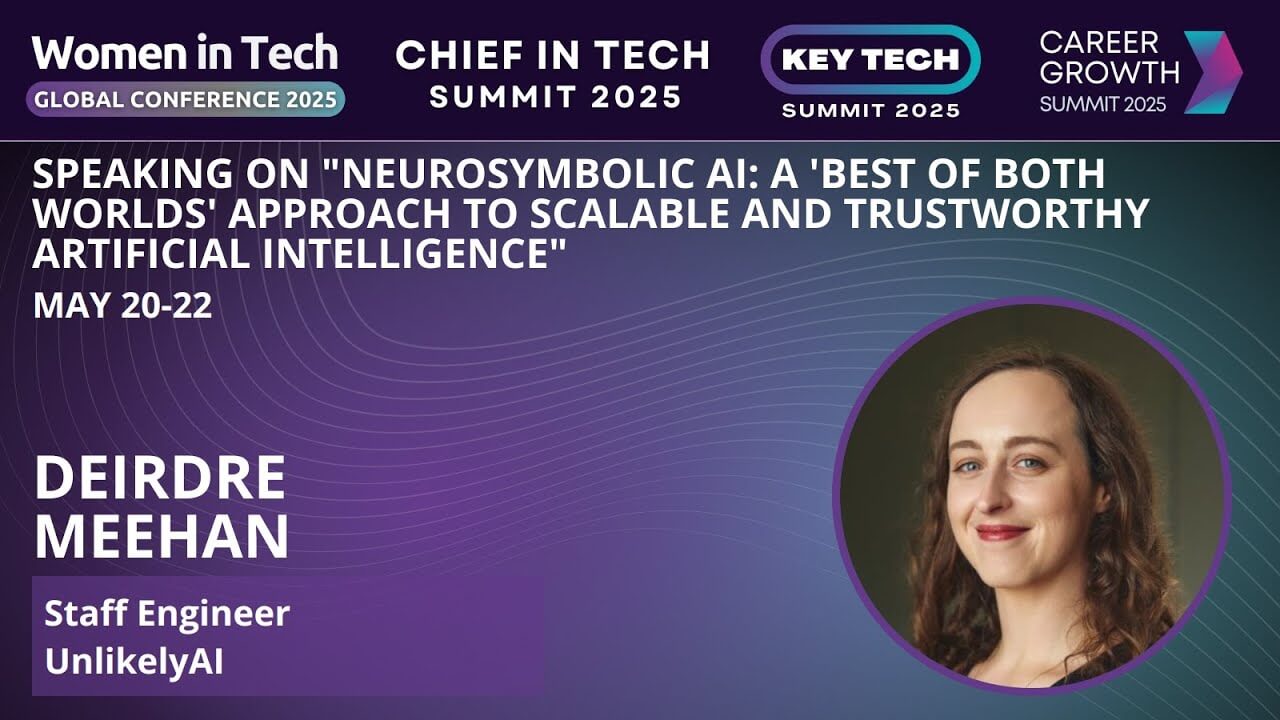
 Deirdre Meehan
Staff Engineer, UnlikelyAI
An AI assistant booked the wrong island and hallucinated the reviews
By designing a mutually beneficial model: institutions need living case studies and research terrain, builders need structured expertise on a workable timeline. In Co Labs' sounding board, the institution sources experts and the startup brings real product decisions to pressure test at key junctures.
Field Notes on Building Non-Extractive Consumer AI: Trust + Early Validation, Erin DahlThey assume data processing is knowable and documentable, while agents decide what data to access and what to do at runtime. The honest answer to a privacy review question about an agent is often "it depends".
Building Powerful AI Without Losing Trust, Kimberly NyitrayThe system did what it was designed to do, but it was optimized for engagement and conversion rather than trust. Variable rewards, authority bias and choice overload quietly erode credibility until users churn.
How AI Systems Accidentally Manipulate Humans — and Why It Backfires, Harshita LallCompliance asks whether obligations are being met, often at one point in time. Governance is continuous and lifecycle focused, asking whether AI should be built or adopted at all, how, who oversees it and how it is monitored.
From Policy to Practice: Operationalizing AI Governance for Responsible Innovation, Marina BoudreauBecause training data reflects societal prejudice, development teams are demographically homogeneous, and agents are not adequately tested across demographic groups.
Developing Ethical, Inclusive and Accountable Artificial Intelligence Agents for a Human-Centered Society, Sumaiya NoorIt integrates neural network methods, which are strong at perception and pattern recognition, with symbolic knowledge and rules, which are strong at reasoning and explanation, so each covers the other's weaknesses.
Neurosymbolic AI: a 'best of both worlds' approach to scalable and trustworthy Artificial Intelligence, Deirdre MeehanBarrett explains it is voluntary, gives clear guidelines and is industry-agnostic, so any organization can use it even without a mandated framework.
Assessing AI Risks: A Step-by-Step Workshop with NIST Frameworks, Jordanne BarrettTrusted data is accurate, reliable and verifiable. It supports informed decisions and reduces the risks around the products and services an organization delivers.
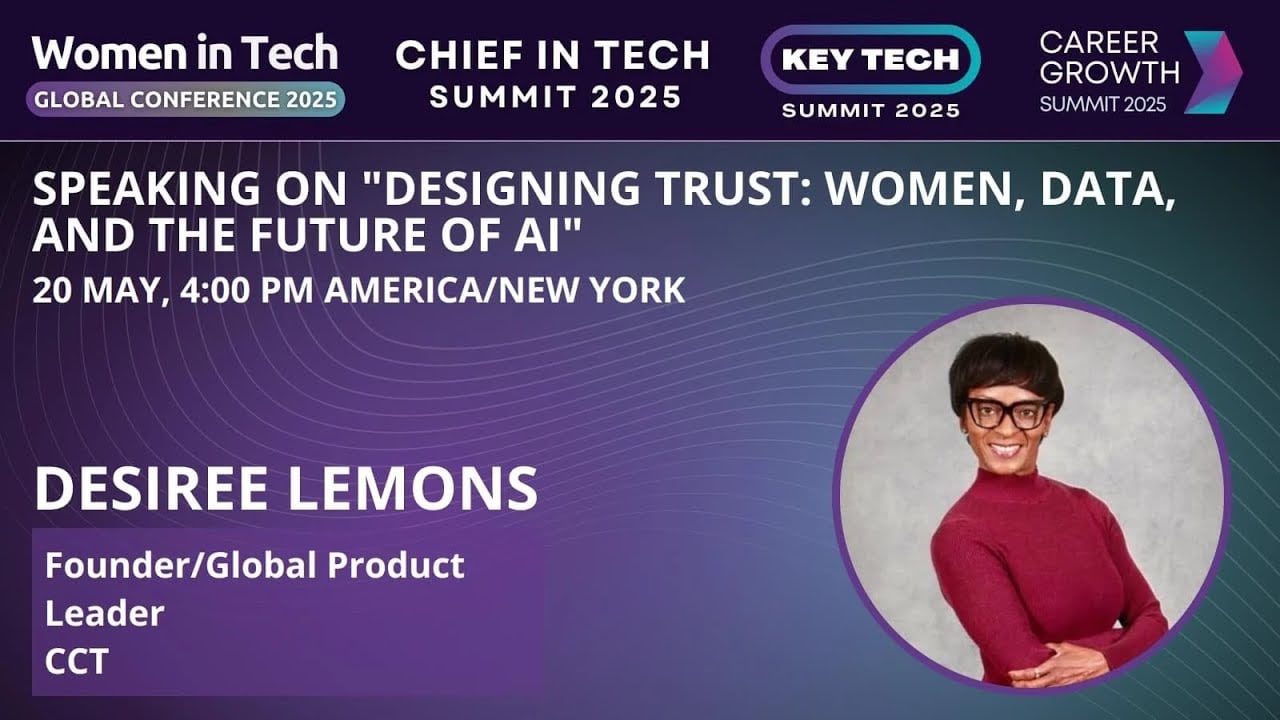
Designing Trust: Women, Data, and the Future of AI, Desiree Lemons Marjory Da Costa AbreuSenior Lecturer, Sheffield Hallam University2 talks
 Patrice CaireConsulting scientist, writer and Ethical-AI advocate2 talks
 Kaoutar El MaghraouiPrincipal Research Scientist, IBM2 talksErin DahlFounder, Co Labs1 talkKimberly NyitrayCo-Founder & COO, ChooChoo1 talkHarshita LallProduct Leader1 talkMarina BoudreauAI Governance Program Manager, Cornerstone OnDemand1 talkSumaiya NoorChief Product Officer, Mpowa1 talkDeirdre MeehanStaff Engineer, UnlikelyAI1 talk
 Jordanne BarrettBusiness Information Security Officer1 talk
 Desiree LemonsFounder/Global Product Leader, CCT1 talk
 Memoona AnwarCCO, Data Zoo1 talk
“And so it just goes to show that academia entrepreneur bridges are very much possible. We just have to build them.” Erin Dahl, Field Notes on Building Non-Extractive Consumer AI: Trust + Early Validation
“We are now living in the gap between what AI can do and what our governance infrastructure was built to handle. That gap is really where a lot of risk lives.” Kimberly Nyitray, Building Powerful AI Without Losing Trust
“Trust is built across hundreds of interactions, but it only takes one bad one to break it. And that's why trust is not a metric that you can A/B test your way into.” Harshita Lall, How AI Systems Accidentally Manipulate Humans — and Why It Backfires
Jordanne Barrett
Business Information Security Officer
When a chatbot sells a car for $1, the missing step was a risk assessment
Desiree Lemons
Founder/Global Product Leader, CCT
Why an awkward granny square beat a perfect one, and what it means for AI
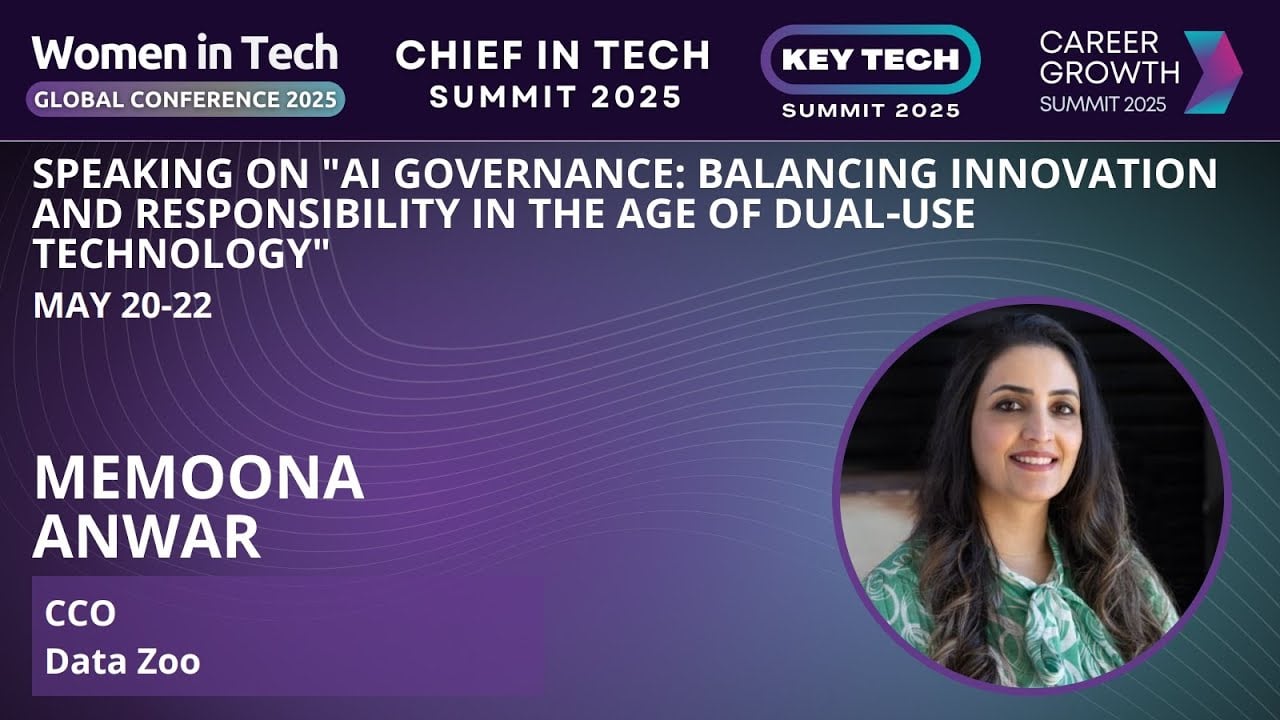
Memoona Anwar
CCO, Data Zoo
AI is being built faster than it is governed, and bias makes it personal
 Aravinda Gollapudi
Head of Platform and SVP of technology for Sage Intacct, Sage
LLMs give the likeliest answer, not the correct one, and enterprises pay for it
 Cindy Lin
Product Management and Data Strategy Consultant, Cindy Lin Consulting
Crime statistics measure enforcement, not crime: what else does your data hide?
 Nicola Martin
Head of Quality Engineering, Adarga
A soap dispenser that can't see dark skin is a bias bug, not a joke
 Laisha Wadhwa
Software Engineer(Data Team), Goldman Sachs
An image model told wolves from dogs by looking only at the background
 Jyotika Singh
Director of Data Science, Placemakr
Computers are not impartial: AI learns the biases already in its data
Agreeing on AI ethics principles does not get them into your model pipeline
A job ad her 60-year-old friend never saw shows how AI hides its bias
 Rebecca Parsons
Chief Technology Officer, Thoughtworks
Most hostile technology was never meant to be hostile
 Tahmida Mahmud
Deep Learning Engineer, Nauto, Inc.
AI learns our gender bias, and in cars and clinics that can be dangerous
 Ideshini Naidoo
Head of Engineering: Legal Practice & Productivity, Thomson Reuters
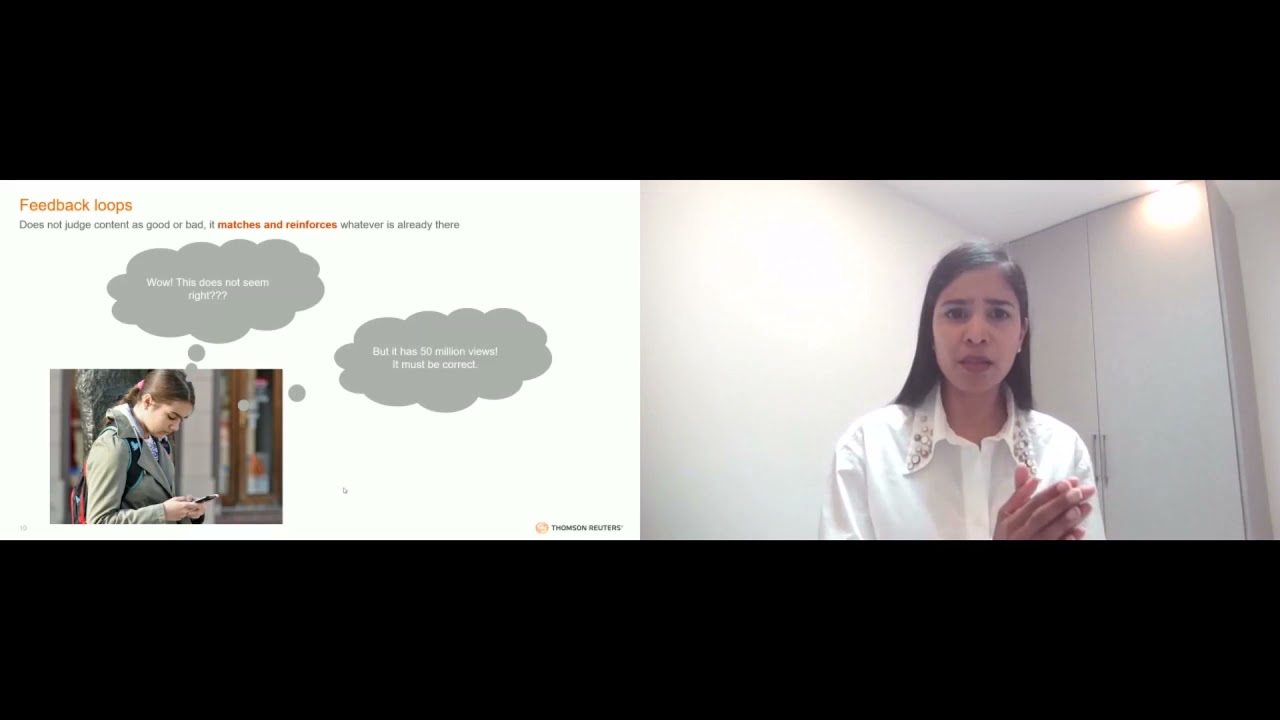
YouTube's algorithm did exactly its job, and that was the problem
 Roya Chobineh
Founder, DebtDone AI
An AI collector that never raises its voice could ease the shame of debt
 Sonali Bhavsar
Chief Data and AI Officer, GEP
AI now judges loans and diagnoses like a jury that never explains itself
 Wendy Gonzalez
CEO, Sama
Responsible AI is better performing AI, and Sama's CEO makes the business case
 Nikita Tiwari
Sr. Solutions Architect - Enterprise AI, Nvidia
AI learns the world's bias, not just yours, and that is the hardest kind to fix
 Onur Korucu
Managing Partner and Advisory Board Member, GovernID
AI cracks in seconds what took weeks, and the liability law is shelved
 Arpna Aggarwal
Senior IT Auditor, Labcorp
Biased healthcare AI can be caught before launch, if auditors know where to look
 Warda Baïliche
CEO, BAULD, Author, Speaker and Ambassador of Cluster Digital Africa
The real AI challenge is remembering how to activate our own intelligence
 Alexandra Diening
Executive Chair, Human-AI Symbiosis Alliance
AI that makes your staff faster can still drain your company dry
 Jagbir Kaur
Global Strategy and operations manager, Google
An algorithm can reject you over a maternity-leave gap, and it already does
 Krithika Kumaragurubaran
Senior DevOps Engineer, ING
AI restored a paralysed woman's voice; a chatbot urged a man to self-sacrifice
 Mrinal Karvir
Senior Cloud Software Engineering Manager, Intel Corporation
When proctoring AI misreads skin tone, a law student sits under bright light